


Aida arko: art of rebirth
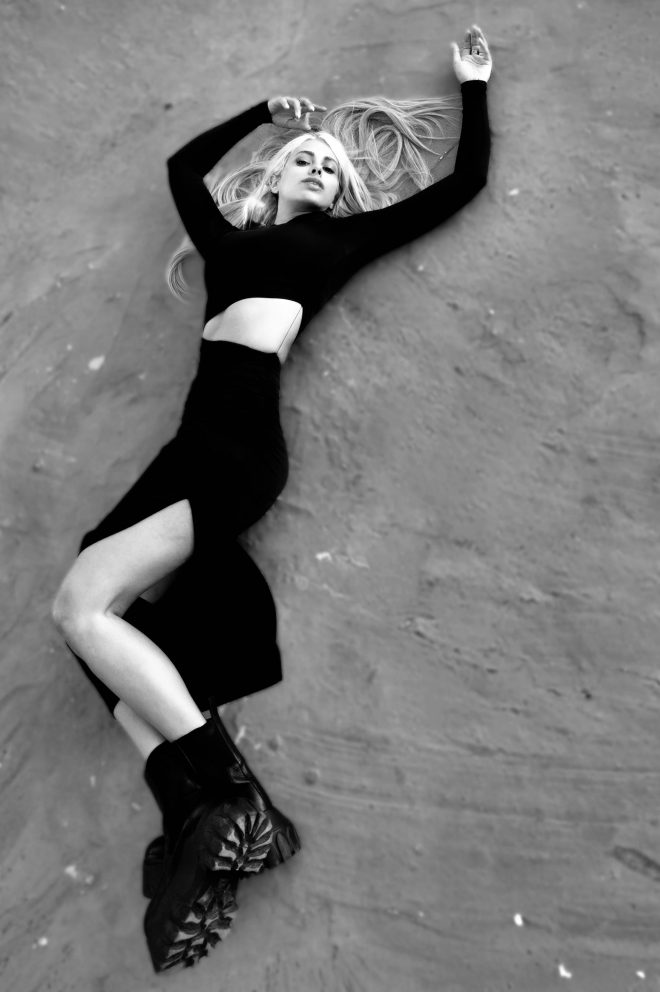
Some records feel designed around impact. Others feel designed around identity. Art of Rebirth belongs to the second category.
What Aida Arko builds throughout the EP is not really a conceptual narrative as much as an emotional language. The project moves constantly between hardness and delicacy, between industrial pressure and almost spiritual softness, but never in a way that feels forced or theatrical. Everything feels instinctive.
More than searching for a unique sound, the EP feels like an act of personal authorship. Like someone fully understanding their emotional world and translating it into club music without smoothing out its contradictions. That is what stayed with me the most while listening to it.
There is a physicality to the entire project that makes it undeniably dancefloor-oriented, yet underneath all the movement there is also something introspective quietly holding the tracks together. Almost as if the music belonged to somebody discovering our world for the first time while still carrying traces of another one inside them.
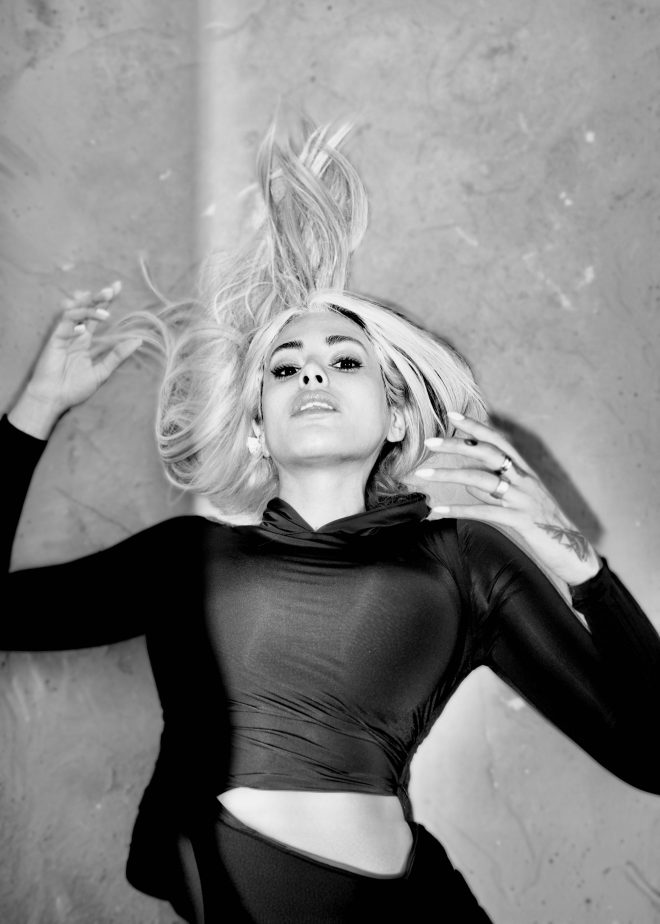
“Pain To Light”
The collaboration with Hacoon and the vocals from ARAA-DE is, without question, the emotional center of the project. The track carries a trance sensibility that feels dramatic and spiritual without ever becoming overtly nostalgic. Everything about it feels intentional.
What stayed with me the most is the duality running through the entire track. On one side, there are cold, mechanical textures that almost feel industrial. On the other hand, these incredibly soft and ethereal vocals completely transform the atmosphere of the dancefloor.
It feels like the track is constantly balancing sweetness and character, softness and strength. It feels like she is letting go of any perception of who she should be, and presents us with the truth.
The drops are huge, but they feel earned. The tension is distributed with a lot of intelligence, allowing the track to breathe between moments of release and introspection. There is also something deeply spiritual hidden underneath the arrangement, almost as if the track exists outside of time.
It is easily one of my favorite tracks of the year.

“The Art Of Rebirth (Extraterrestrial)”
The second track immediately shifts the energy into something much more raw and confrontational. It knows exactly what it is from the very beginning and never apologizes for it. Aggressive, direct and heavy, yet still surrounded by this strange ethereal atmosphere that prevents the track from becoming purely functional techno.
The breakdown in the middle is probably the most interesting moment of the track for me. It almost sounds like somebody trying to reinterpret the idea of a piano from a completely alien perspective. Not emotional in the traditional sense, but uncanny. It creates tension in a very unusual way.
The second half took a little longer to fully click with me, but once the stabs begin to take over, the entire intention behind the track starts revealing itself more clearly. It feels less interested in immediate satisfaction and more interested in physical immersion.
“Azadi (Delusions and Miracles)”
Featuring Moonface, the third track moves slightly closer toward a more traditional techno structure while still maintaining the emotional identity of the EP.
The use of vocals as atmosphere works beautifully throughout, but the real center of the track appears around the 1:20 mark, when the melody enters and suddenly becomes the emotional thread holding everything together. Depending on the moment, that melody can either guide the listener toward release or create tension through its absence.
That push and pull is what makes the track work so well. Everything feels carefully curated. Nothing feels excessive. Nothing feels misplaced. It is probably the most balanced track on the EP and one of the easiest to imagine working beautifully across multiple moments of a long set.
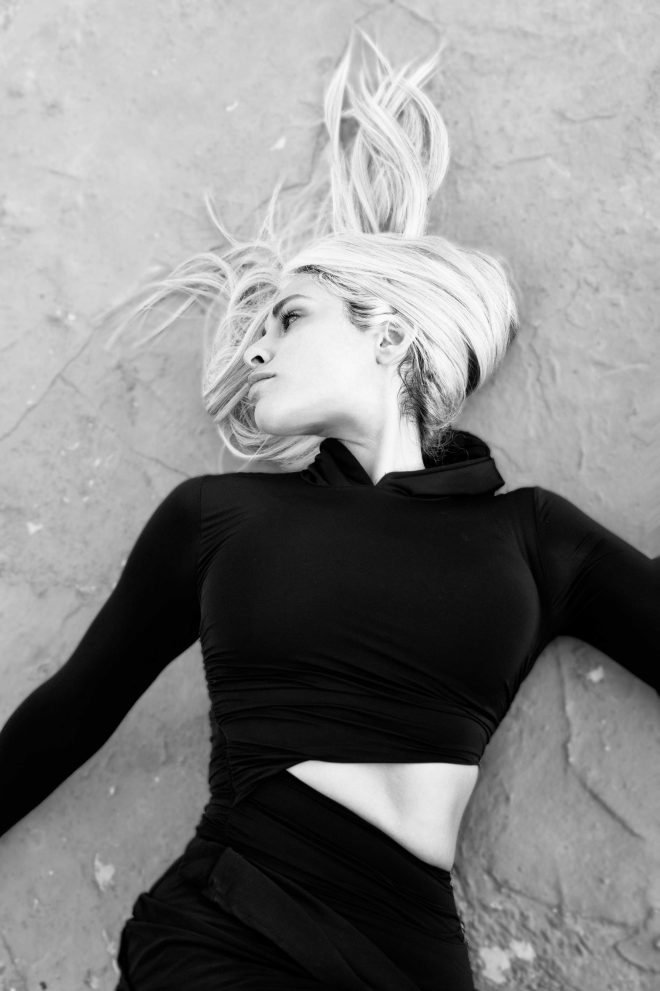
“House of Eternity (Universe Connected With Higher Self)”
The fourth track enters with intention almost immediately. The buildup near the beginning already announces a track that is not interested in wasting time. It feels like a piece designed to finally step into the movement of the night after patiently waiting in the background for the right moment.
What I enjoyed the most is how consistent the energy remains throughout the track. There is a bridge before the final drop that I honestly wish lasted a little longer because it works incredibly well in creating expectation. Still, the final payoff is tremendously effective.
This feels like a very versatile dancefloor weapon. It could easily function as the transition toward the final stages of a long set, but if used boldly, it could also become the track that fully opens the door into peak time.
The Radio Version
The shorter version of “Pain To Light” deserves recognition because it manages to preserve nearly all the emotional highlights of the extended version without losing impact or atmosphere. That is much harder to achieve than people often realize.
Aida Shared:
“This project is deeply connected to my personal journey and the idea of constantly evolving through life, emotionally, creatively, physically and professionally. Coming from Iran and having experienced many different versions of myself throughout my life, reinvention became a very natural but also necessary part of who I am.”
“The EP explores this process of growth and transformation, and how difficult moments can eventually become a kind of ego death, forcing you to let go of old versions of yourself in order to develop into someone stronger, more self-aware, and more aligned with your true path.”
“Passing through a dark hall called fear of unknown and aiming to find the light switch. You know it’s there, you just have to find it.”
Suddenly, the emotional structure behind Art of Rebirth begins to reveal itself much more clearly.
“Pain To Light” becomes the painful beginning of transformation, the moment where discomfort and leaving the comfort zone become necessary for growth. “The Art of Rebirth” moves into self-awareness and acceptance, understanding the deeper meaning hidden inside difficult experiences. “Azadi”, which means “freedom” in Persian, represents liberation and inner alignment, while “House of Eternity” feels like the final return toward peace, integration and reconnection with the higher self.
What makes this work so effective is that none of these ideas feel forced into the music artificially. The concepts are not sitting on top of the tracks trying to intellectualize them. They are already embedded into the atmosphere, the tension, the softness and the movement itself.
Art of Rebirth feels spiritual, introspective and deeply coherent from beginning to end. Every track shares a subtle connective thread, but the EP never feels repetitive or overly conceptual. It trusts the listener. It understands that the audience does not need to be guided by the hand in order to experience emotion.
Throughout the project, I hear industrial inspirations that remind me of parts of Eastern Germany and even certain raw mechanical sensibilities associated with cities like Rotterdam. Yet at the same time, there is an elegance and softness hidden inside every track that completely reshapes that hardness into something much more human.
That ethereal delicacy becomes the true identity of the EP.
Listening to the project almost feels like standing beneath the dome of a futuristic mosque somewhere outside our world while steel, lights and movement surround the dancefloor beneath you.
The more time you spend with the EP, the more layers begin to reveal themselves. Not only musically, but emotionally. And ultimately, that is what makes the project feel so real.
It introduces an artist with a strong voice, a clear emotional identity and a sound that feels genuinely connected to her personal history and inner world.
Without any doubt, one of my favorite EPs of the year.
