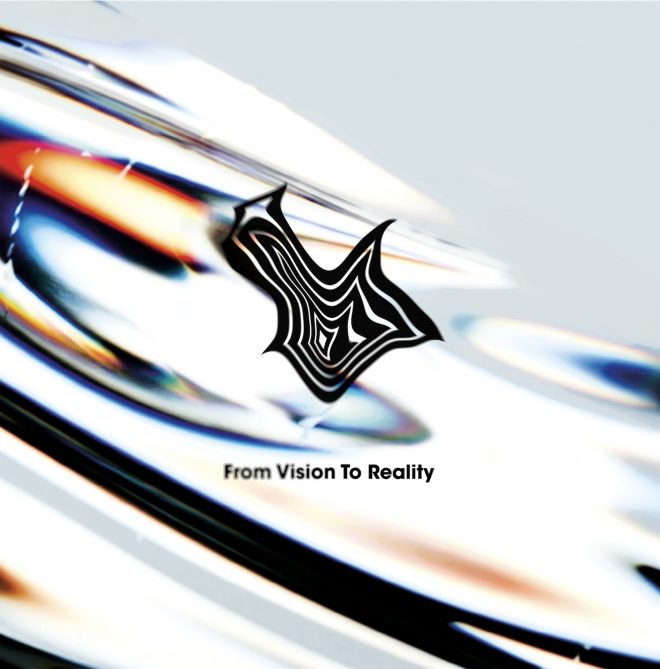


From Vision To Reality: la 40a essenza di Undersound Recordings
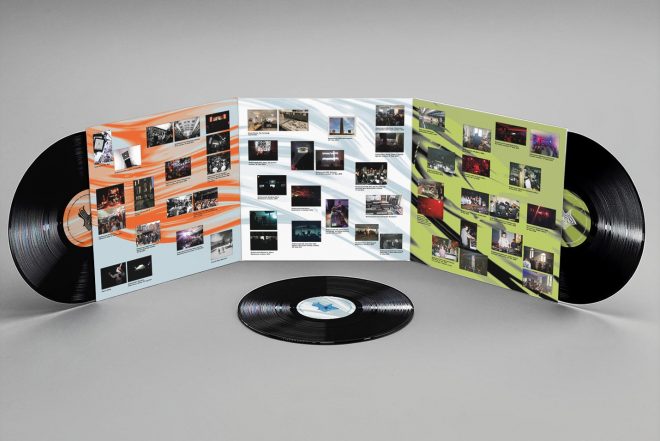
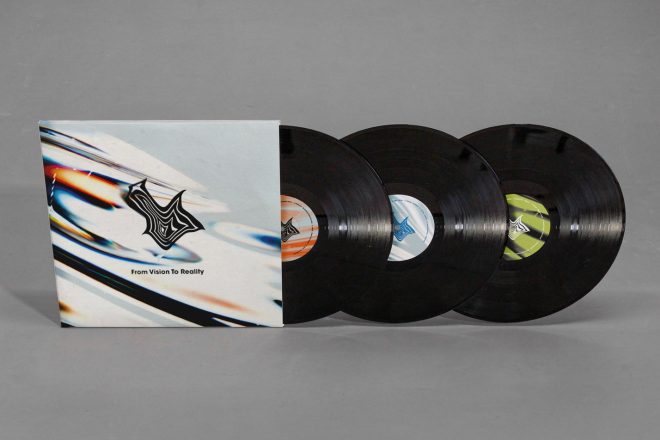
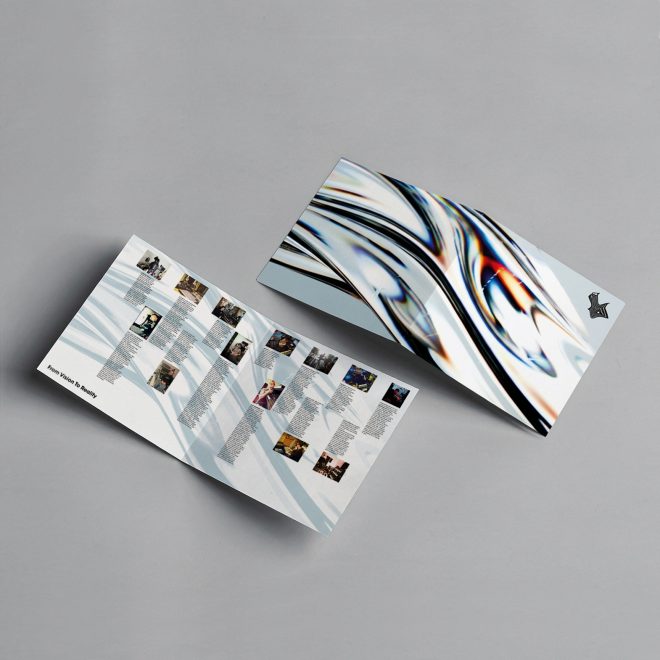
La label festeggia la sua 40a uscita con un triplo LP arricchito da un poster e un gatefold che racconta la storia di Undersound attraverso foto d'archivio, dal 2012 fino a a oggi.
ENGLISH VERSION BELOW
Ci sono storie che iniziano molto prima di avere un nome e che, quando finalmente ne trovano uno, appartengono già a parecchie persone. Quella di Undersound potrebbe cominciare nel 2009, durante una giornata al Love Family Park e una notte al Robert Johnson, dove Giovanni e Kimbo si incontrano senza sapere che, qualche anno più tardi, avrebbero dato forma a qualcosa destinato a sopravvivere alle feste, ai luoghi e persino alla città in cui tutto sarebbe cominciato.
Londra, 2012. Undersound prende vita tra scantinati, magazzini e spazi temporaneamente sottratti alla loro funzione ordinaria. Ci sono dischi da ascoltare, artisti ancora sconosciuti da invitare, impianti da montare e persone che iniziano a riconoscersi attraverso un certo modo di vivere la musica. Prima ancora di diventare un'etichetta discografica, Undersound è una geografia di incontri, costruita seguendo traiettorie che raramente coincidono con quelle dell'industria musicale. Quando nel 2015 nasce Undersound Recordings, il vinile diventa un'estensione naturale di quell'esperienza: un modo per dare una forma duratura a qualcosa che, fino a quel momento, era esistito soprattutto nella dimensione provvisoria della notte.
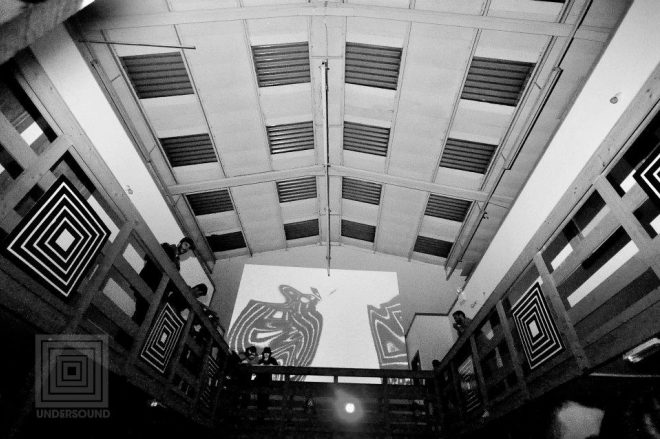
Undersound party #2 2012, Hackney Wick - London
Quattordici anni dopo, quella geografia continua a espandersi. Il catalogo ha attraversato acid, electro, techno, house, trance, ambient, downtempo e territori più difficili da circoscrivere, senza che la varietà degli stili diventasse una questione di posizionamento. A tenere insieme le uscite è piuttosto una sensibilità, il gusto personale di Giovanni e una forma di curiosità che non ha mai avuto particolare interesse a diventare prevedibile. Una libertà che, osservata dall'esterno, potrebbe sembrare assenza di regole, ma che nasconde un criterio di selezione profondamente intimo: la capacità di un suono di evocare luoghi e sensazioni, trasformandoli in ricordi.
Con From Vision To Reality, quarantesima uscita della label, questa relazione con il tempo trova forse la sua espressione più compiuta. Tredici artisti suddivisi in tre vinili, racchiusi in un gatefold che custodisce fotografie recuperate da vecchi telefoni, hard disk e archivi personali. Immagini scattate in tempi non sospetti, quando documentare una serata non era ancora diventato parte integrante dell'esperienza stessa. Non c'è l'intenzione di ricostruire un passato idealizzato, quanto quella di restituire consistenza a qualcosa che per anni è esistito nella memoria di chi c'era in quei momenti. Anche musicalmente, il disco si concede la libertà di sorprendere: due strumentali hip hop, le prime nella storia della label, aprono e chiudono un percorso che si muove tra ambient, broken beat, electro, acid e trance.
Forse è proprio qui che si trova il senso più autentico di questa quarantesima pubblicazione. Non nella celebrazione di un traguardo, ma nella possibilità di osservare quanto possa diventare grande un'idea quando non si cerca continuamente di cambiarla per adattarla al presente. Undersound, in fondo, non ha mai avuto bisogno di trasformarsi in qualcosa di diverso da ciò che era all'inizio. Ha semplicemente continuato a incontrare persone e ascoltare musica lasciando tracce del proprio passaggio.
Con Giovanni abbiamo ripercorso questa storia, dalla Londra dei primi party alla costruzione di un catalogo che oggi appartiene anche a chi quei dancefloor non li ha mai attraversati. Parlando di dischi, amicizie, memoria e di quella sottile differenza tra lasciare un segno ed essere ricordati.
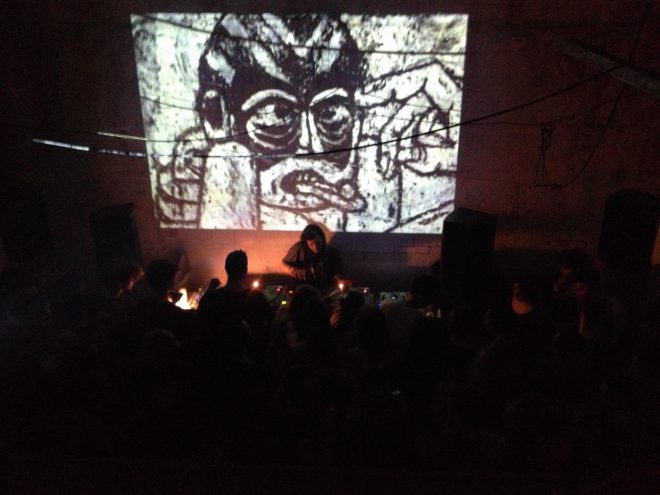
Undersound party #13 2014, London
From Vision To Reality non sembra pensato soltanto per celebrare quaranta pubblicazioni, ma per raccontare l’intero percorso di Undersound, iniziato ancora prima della nascita della label. Raccontaci come è nato questo disco.
From Vision To Reality è nato per celebrare la storia di un progetto nato più di una decade fa. Per cercare di far rivivere momenti condivisi con amici e non, e, per chi non c’era, offrire l’occasione di conoscere meglio la nostra storia. Inoltre, è la rappresentazione di un movimento di amici appassionati e di persone che non hanno mai smesso di credere, sostenere e amare ciò che li entusiasma di più.
Il titolo oppone, o forse collega, due dimensioni: la visione e la realtà. Qual era la visione originaria di Undersound nel 2012 e quanto le assomiglia la realtà che hai davanti oggi?
La visione originaria di Undersound era quella di creare una community organizzando eventi nei quali potessimo essere liberi di esprimere ciò in cui credevamo, senza dover scendere a compromessi, invitando e dando spazio prettamente ad artisti che, ai tempi, erano ancora alle prime armi e non sulla bocca di tutti. Lo stesso vale per la label e, col passare del tempo, questi valori non solo si sono fortificati, ma soprattutto sono rimasti immutati.
A proposito di label, Undersound è nato attorno a un dancefloor e soltanto in seguito è diventata un’etichetta. Quando gli eventi hanno smesso di essere il centro del progetto, come è cambiato il tuo modo di scegliere la musica? Curare un catalogo senza poterla osservare direttamente dentro il proprio dancefloor richiede un tipo diverso di immaginazione?
Undersound è stato fondato nel 2012 e pochissimi anni dopo, nel 2015, abbiamo aperto l'etichetta discografica. Il processo di ricerca è rimasto invariato perché la musica si trova ovunque. Sicuramente aver organizzato e aver partecipato a moltissimi eventi in giro per il mondo ci ha aiutato a creare la nostra identità, creando connessioni con artisti che vivessero la musica nello stesso modo. Ma allo stesso tempo, per noi, la ricerca musicale va oltre quello che viene proposto sul dancefloor. Più musica si ascolta, più produttori si contattano e più c'è la possibilità di trovare qualche artista con cui provare a lavorare insieme per rilasciare un'uscita.
Molte fotografie contenute nel gatefold sono state recuperate da vecchi telefoni e hard disk, perché durante le feste si fotografava molto meno di oggi. Che cosa raccontano quelle immagini della club culture di allora?
Raccontano una mentalità diversa e, forse, ormai quasi perduta. Una mentalità basata sul vivere e godersi il momento appieno, conoscersi e creare legami duraturi con persone che condividono la stessa visione. Una mentalità basata sull'educarsi a vicenda e sul rispettare gli spazi e le leggi non scritte. Oggigiorno si è arrivati all'esasperazione di dover sempre far vedere o mostrare di essere parte di qualcosa o di “esserci stati”, non tanto per aiutare la club culture, ma per accrescere il proprio ego. Non siamo mai stati e non saremo mai completamente contro video e foto, anzi, ma neanche a favore del passare la maggior parte del tempo, durante un evento, con in mano un telefono o una fotocamera, rovinando la vibe del momento.
Questa release è contaminata da nuovi e vecchi amici di Undersound. Come hai scelto chi includere e come avviene di solito questo processo?
In realtà per questa release il processo è stato molto fluido, ma anche molto lungo. Ho iniziato cercando prima le due tracce hip hop e le due tracce ambient/broken beat di Periferico ed Enrica Falqui, così da avere l'apertura e la chiusura della compilation. Poi, rimanendo in contatto con tanti artisti e ricevendo demo settimanalmente, sono riuscito a selezionare le tracce che stessero meglio insieme e a creare una scaletta che avesse un senso a livello di sound e stile. Generalmente cerco di contattare più produttori possibile e, in base alle risposte, pianifico e organizzo le uscite future. Soprattutto, ascolto sempre qualsiasi link o traccia che ricevo via email o attraverso i nostri canali.
Come anticipavi, il disco si apre e si chiude con due strumentali hip hop, un linguaggio che non era ancora entrato ufficialmente nel catalogo. Perché hai scelto di collocarle proprio ai margini del disco?
Ho scelto di collocarle ai margini del disco perché l’idea era quella di avere un intro e un outro che aprissero e chiudessero in modo armonioso il triplo. Cercando di intrigare e, in un certo senso, confondere gli ascoltatori con la traccia di Chester Watson, su ciò che si sarebbero trovati ad ascoltare dopo, e chiudendo, poi, cercando di riportarli alle stesse sonorità e allo stesso mindset con cui si era aperto il disco.
Oltre all'hip hop nel catalogo convivono house, electro, acid, techno, trance, drum and bass. Se dovessi togliere le etichette di genere, quali qualità devono avere due tracce molto diverse per risultare entrambe inequivocabilmente “Undersound”?
Eh, bella domanda! Undersound Recordings rappresenta il mio gusto in continua evoluzione con il passare del tempo. Non c'è un genere o uno stile prediletto, non mi impongo troppi limiti. Credo, però, che più o meno tutte le uscite siano legate da timbri, melodie e sonorità che mi lasciano qualcosa a livello emotivo e sentimentale.
Il sound engineer The Exchange Vinyl, Simon Davey, che si occupa dei vostri master, lavora ancora attraverso un processo molto fisico: trasferimento su nastro, mastering specifico per il vinile e taglio diretto delle lacche. Che cosa cercavi in questo metodo?
Ho conosciuto Simon grazie alla nostra quarta uscita tramite Triple Vision, anche se Riccardo Buccirossi me ne aveva già parlato in precedenza. Ascoltando i test pressings di USR004 ho capito e trovato il “sound” che avrei voluto per tutte le uscite. Pulito, ma allo stesso tempo grezzo e reale, con un'attenzione rivolta alle basse frequenze, così da stampare dischi “caldi” e avvolgenti. Dopo essermi messo in contatto con lui e aver parlato e scambiato informazioni, Simon ha sposato completamente il progetto, aiutandomi molto a capire e imparare grazie alla sua mentalità old school e alla sua umiltà, riuscendo così a dare una chiara identità alla label.
Undersound è stato fondato attraverso relazioni nate viaggiando, frequentando club e incontrando persone sulla pista. Chi fa parte della comunità di Undersound?
Lo zoccolo duro della community ha iniziato a formarsi prima che Undersound prendesse forma, per poi consolidarsi ed espandersi durante gli anni a Londra. Amici e artisti che ne fanno parte fin dal primo giorno e che, per un motivo o per l'altro, hanno continuato a supportarci, spingendoci sempre oltre. Una community che non ha mai smesso di crescere e senza la quale Undersound non sarebbe mai esistito.
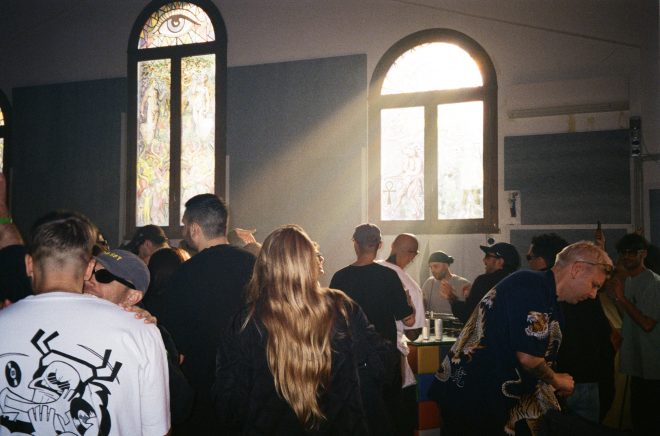
Undersound 2025, Milano
Negli ultimi 10 anni il mercato del vinile ha subito un incremento pazzesco, ma ciò non toglie che sostenere economicamente un progetto come quello di questo 40° preveda delle spese piuttosto impegnative. E poi c’è la parte di A&R, di direzione creativa, di produzione artistica e così via. Con la tua esperienza, cosa consiglieresti a qualcuno che vuole lanciarsi nell’apertura di una nuova label?
C'è stato un incremento, sì, ma anche i prezzi sono aumentati, quindi iniziare ora una label è molto più proibitivo e dispendioso rispetto a 11 anni fa. Anche i deal con le distribuzioni sono cambiati, per la maggior parte a sfavore delle label, che si devono assumere tutto il rischio. Infatti, spesso succede che tante label, dopo un paio di anni, si fermino. Quello che consiglierei è di informarsi bene e di chiedere consigli ad amici e persone già nel settore. E di farlo solamente se si crede di poter lasciare qualcosa di concreto, duraturo e personale, cercando di crearsi una propria identità, prendendo ispirazione, ma senza scopiazzare idee altrui o seguire quello che va di moda.
From Vision To Reality chiude una fase oppure stabilisce le coordinate della prossima? Dopo aver trasformato il passato in un archivio, quale parte della visione di Undersound deve ancora diventare realtà?
Sinceramente non c'è una fase o una progettualità a lungo termine, ma soltanto la voglia di ampliare il proprio bagaglio e la propria conoscenza musicale e di lasciare qualcosa per chi ci segue e per le generazioni a venire. La visione è sempre la stessa: dare spazio e una piattaforma ad artisti dove potersi esprimere. Artisti che rispetto e in cui credo, senza tante regole o pregiudizi, ma basando la scelta solamente sulla musica e sul rispetto reciproco.
ENGLISH VERSION
There are stories that begin long before they have a name and which, by the time they finally find one, already belong to quite a few people. The story of Undersound might well have begun in 2009, during a day at Love Family Park and a night at Robert Johnson, where Giovanni and Kimbo met without realising that, a few years later, they would give shape to something destined to outlive the parties, the venues and even the city where it all began.
London, 2012. Undersound came to life in basements, warehouses and spaces temporarily repurposed from their usual functions. There were records to listen to, as yet unknown artists to invite, sound systems to set up, and people who began to recognise one another through a certain way of experiencing music. Even before becoming a record label, Undersound was a landscape of encounters, shaped by paths that rarely coincided with those of the music industry. When Undersound Recordings was founded in 2015, vinyl became a natural extension of that experience: a way of giving lasting form to something that, until then, had existed primarily in the ephemeral realm of the night.
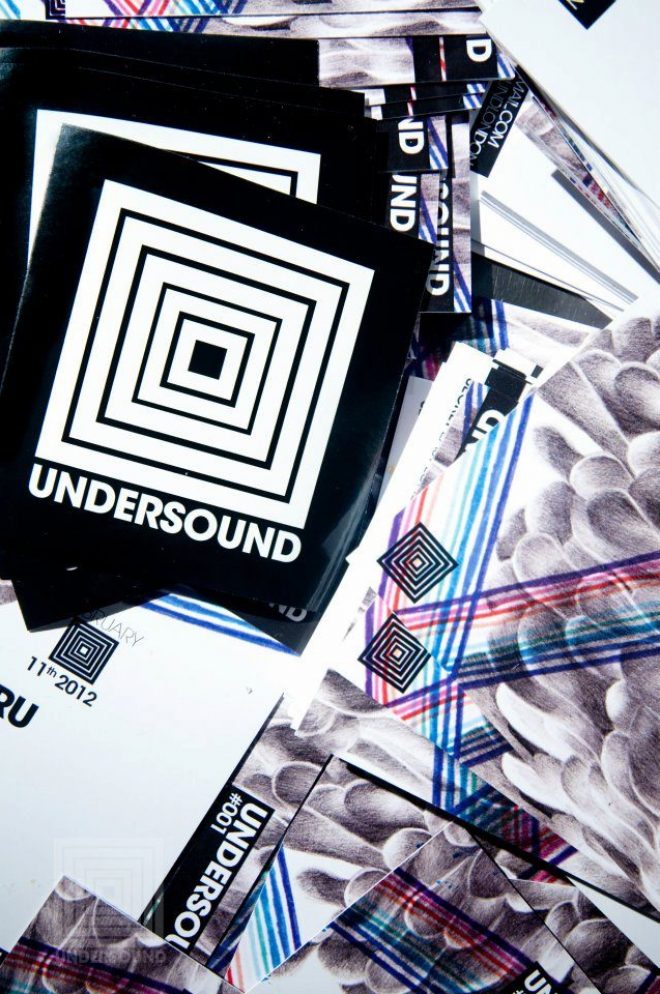
Undersound's first flyer
Fourteen years on, that musical landscape continues to expand. The catalogue has spanned acid, electro, techno, house, trance, ambient, downtempo and genres that are harder to define, without the variety of styles ever becoming a matter of market positioning. Rather, what holds the releases together is a sensibility, Giovanni’s personal taste and a form of curiosity that has never had any particular interest in becoming predictable. A freedom which, viewed from the outside, might seem like a lack of rules, but which conceals a deeply personal selection criterion: the ability of a sound to evoke places and sensations, transforming them into memories.
With From Vision To Reality, the label’s fortieth release, this relationship with time perhaps finds its most complete expression. Thirteen artists spread across three vinyl records, enclosed in a gatefold sleeve housing photographs retrieved from old mobile phones, hard drives and personal archives. Images taken in a bygone era, when documenting an evening had not yet become an integral part of the experience itself. The intention is not to reconstruct an idealised past, but rather to restore substance to something that has existed for years in the memories of those who were there at the time. Musically too, the record takes the liberty of surprising: two hip-hop instrumentals, the first in the label’s history, open and close a journey that moves between ambient, broken beat, electro, acid and trance.
Perhaps this is precisely where the truest meaning of this fortieth release lies. Not in the celebration of a milestone, but in the opportunity to observe just how great an idea can become when one does not constantly seek to change it to adapt it to the present. Undersound, after all, has never needed to transform itself into anything other than what it was at the outset. It has simply continued to meet people and listen to music, leaving traces of its passage.
Together with Giovanni, we’ve retraced this history, from the early parties in London to the building of a catalogue that now belongs even to those who’ve never set foot on those dancefloors. We’ve talked about records, friendships, memories and that subtle difference between leaving a mark and being remembered.
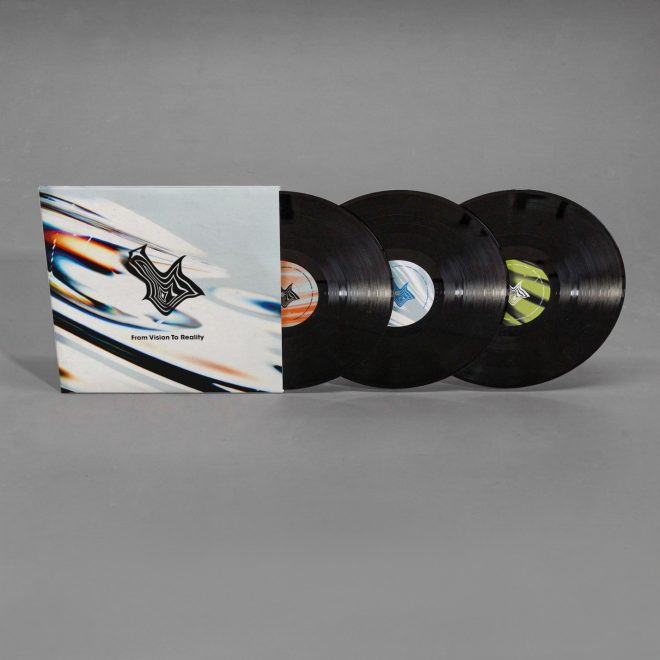
From Vision To Reality doesn't seem designed just to celebrate forty releases, but to tell the whole story of Undersound, which began even before the label's birth. Tell us how this record came about.
From Vision To Reality was born to celebrate the history of a project started more than a decade ago. To try to bring back to life moments shared with friends and others, and, for those who weren't there, to offer the chance to get to know our story better. It's also the representation of a movement of passionate friends and people who have never stopped believing in, supporting, and loving what they love most.
The title contrasts, or perhaps connects, two dimensions: vision and reality. What was Undersound's original vision back in 2012, and how closely does the reality you see today resemble it?
Undersound's original vision was to create a community by organizing events where we could be free to express what we believed in, without having to compromise, inviting and giving space specifically to artists who, at the time, were still just starting out and not yet on everyone's lips. The same goes for the label, and, as time has passed, these values have not only grown stronger, but above all have remained unchanged.
Undersound was born around a dancefloor and only later became a label. When events stopped being the center of the project, how did your approach to choosing music change? Does curating a catalog without being able to observe it directly on your own dancefloor require a different kind of imagination?
Undersound was founded in 2012, and just a few years later, in 2015, we launched the record label. The research process has remained unchanged, because music can be found everywhere. Organizing and taking part in so many events around the world has certainly helped us build our identity and create connections with artists who experienced music the same way we did. At the same time, though, musical research goes beyond what's offered on the dance floor. The more music you listen to, the more producers you get in touch with, and the greater the chance of finding an artist to work with on releasing a record together.
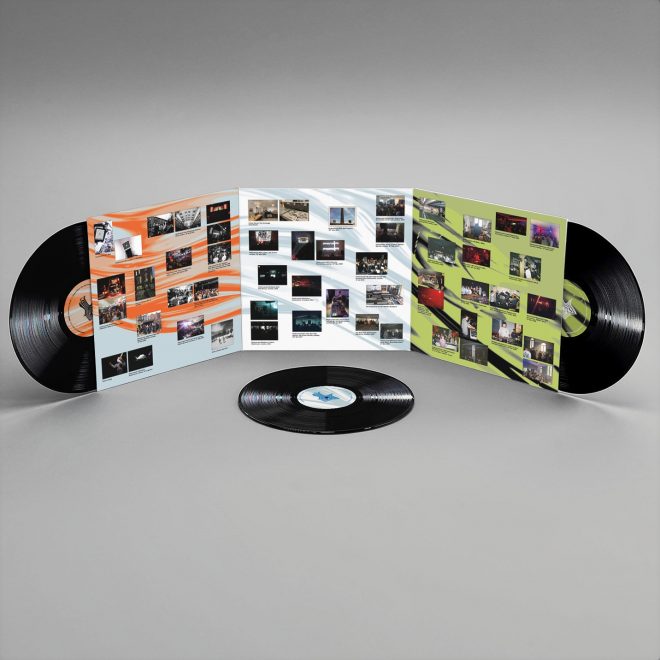
Many of the photographs in the gatefold were retrieved from old phones and hard drives, because back then people photographed much less during parties than they do today. What do those images tell about the club culture of that time?
They tell of a different, and perhaps by now almost lost, mentality. A mentality based on living and fully enjoying the moment, getting to know each other and building lasting bonds with people who share the same vision. A mentality based on educating one another and respecting spaces and unwritten rules. Nowadays we've reached the point of exasperation where people always have to show or prove they're part of something, or that they "were there", not so much to help club culture, but to boost their own ego. We've never been, and will never be, completely against video and photos, quite the opposite, but we're not in favor of spending most of an event's time holding a phone or a camera either, ruining the vibe of the moment.
This release is populated by both new and old friends of Undersound. How did you choose who to include, and how does this process usually happen?
For this special release the process was very fluid, but also very long. I started by first looking for the two hip hop tracks and the two ambient/broken beat tracks from Periferico and Enrica Falqui, so as to have the opening and closing of the compilation. Then, staying in touch with many artists and receiving demos on a weekly basis, I managed to select the tracks that worked best together and create a tracklist that made sense in terms of sound and style. Generally I try to contact as many producers as possible and, based on the responses, I plan and organize future releases. Above all, I always listen to any link or track I receive by email or through our channels.
The record opens and closes with two hip hop instrumentals, a language that hadn't yet officially entered the catalog. Why did you choose to place them right at the edges of the record?
I chose to place them at the edges of the record because the idea was to have an intro and an outro that would open and close the triple album harmoniously. Trying to intrigue, and in a way confuse, listeners with the Chester Watson track, about what they'd find themselves listening to afterward, and then closing by trying to bring them back to the same sounds and the same mindset with which the record had opened.
With hip hop, in the catalog coexist house, electro, acid, techno, trance, drum and bass. If you had to strip away the genre labels, what qualities do two very different tracks need to have in order for both to come across unmistakably as "Undersound"?
Ha, good question! Undersound Recordings represents my taste, which keeps evolving over time. There's no favorite genre or style, I don't impose too many limits on myself. I do believe, though, that more or less all the releases are connected by tones, melodies and sounds that leave me with something on an emotional and sentimental level.
The sound engineer at The Exchange Vinyl, Simon Davey, who handles your masters, still works through a very physical process: tape transfer, vinyl-specific mastering, and direct lacquer cutting. What were you looking for in this method?
I got to know Simon thanks to our fourth release through Triple Vision, although Riccardo Buccirossi had already mentioned him to me before that. Listening to the test pressings of USR004, I understood and found the "sound" I wanted for all the releases. A clean sound, but at the same time raw and real, with attention paid to the low frequencies, so as to press "warm" and enveloping records. After getting in touch with him and talking and exchanging information, Simon fully embraced the project, helping me a lot to understand and learn thanks to his old school mentality and his humility, thereby managing to give the label a clear identity.
Undersound was founded through relationships born from traveling, going to clubs, and meeting people on the dancefloor. Who is part of the Undersound community?
The core of the community began forming before Undersound took shape, then consolidated and expanded during the years in London. Friends and artists who have been part of it since day one and who, for one reason or another, have continued to support us, always pushing us further. A community that has never stopped growing and without which Undersound would never have existed.
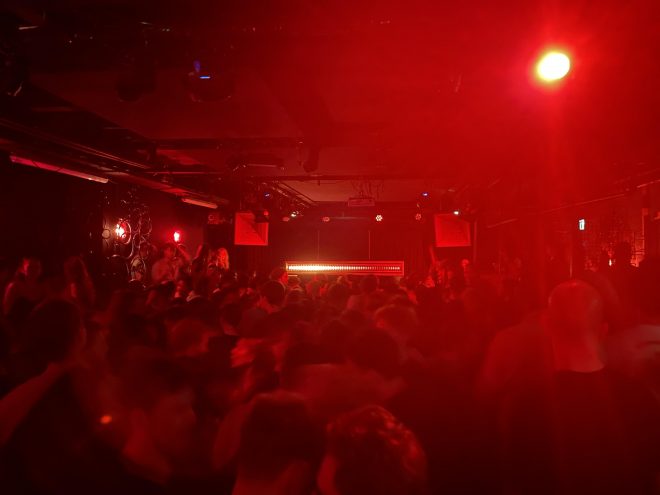
Undersound Showcase at Doka in 2023, Amsterdam
Over the last 10 years the vinyl market has undergone a crazy increase, but that doesn't change the fact that financially sustaining a project like this 40th release involves rather demanding expenses. And then there's the A&R side, the creative direction, the artistic production and so on. With your experience, what would you recommend to someone who wants to launch themselves into opening a new label?
Yes, there's been an increase, but prices have gone up too, so starting a label now is much more prohibitive and costly compared to 10 years ago. Deals with distributors have also changed, mostly to the disadvantage of labels, who have to take on all the risk. In fact, it often happens that many labels stop after a couple of years. What I'd recommend is to inform yourself well and ask for advice from friends and people already in the industry. And to do it only if you believe you can leave behind something concrete, lasting and personal, trying to create your own identity, taking inspiration but without copying other people's ideas or following whatever's trendy.
Does “From Vision To Reality” close a chapter, or does it set the coordinates for the next one? After having turned the past into an archive, which part of Undersound's vision has yet to become reality?
Honestly there isn't a phase or a long-term plan, just the desire to broaden my own knowledge and musical background and to leave something for those who follow us and for generations to come. The vision is always the same: to give space and a platform to artists where they can express themselves. Artists that I respect and believe in, without too many rules or prejudices, but basing the choice solely on the music and on mutual respect.