


Italiani Fuori #3: Kensa
In questa terza puntata di Italiani Fuori incontriamo Kensa, DJ stabilitosi a Londra da più di 10 anni e uno dei fondatori di Outransa.
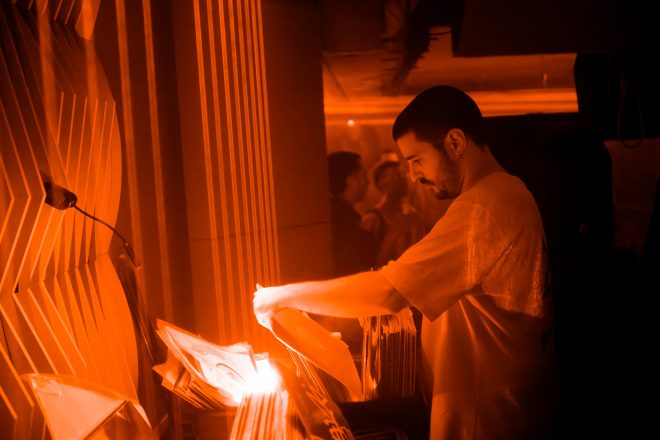
© Photo: Gabriela Andreica
ENGLISH VERSION BELOW
Alcune partenze non una destinazione precisa mentre altre, a distanza di anni, finiscono per cambiare persino il significato della parola casa. Kensa (Lorenzo Di Michele) ha lasciato l’Abruzzo nel 2011, poco più che ventenne, spinto soprattutto dalla curiosità e dal desiderio di osservare da vicino quella cultura club inglese che fino ad allora aveva conosciuto solo da lontano. Quindici anni dopo, il tempo trascorso nel Regno Unito sta quasi per raggiungere quello vissuto nel Paese in cui è nato. E forse è proprio qui che la definizione di “Italiano Fuori” diventa più interessante: quando il "fuori", in qualche modo, viene interiorizzato.
Londra, nel frattempo, è diventata scuola, banco di prova e spazio di formazione attraverso i club, il digging e soprattutto l’incontro con persone per cui la musica non rappresentava semplicemente una professione, ma un modo di organizzare la propria esistenza. Un’educazione sentimentale e musicale che Lorenzo racconta senza mitizzare necessariamente la città, descrivendola piuttosto come una “maestra severa”, capace di insegnargli tanto attraverso le opportunità quanto attraverso le sue contraddizioni.
La sua storia attraversa così alcune delle tensioni che definiscono oggi la musica elettronica: autenticità e adattamento, ricerca e visibilità, comunità e competizione, vita reale e presenza digitale. In un momento in cui agli artisti viene chiesto di essere contemporaneamente DJ, creator, comunicatori e personaggi pubblici, Lorenzo continua invece a mettere al centro qualcosa di apparentemente molto semplice: il tempo dedicato ad ascoltare, cercare e costruire una propria identità musicale.
Per Italiani Fuori, abbiamo parlato con lui di cosa resta dell’Italia dopo quindici anni a Londra, di ciò che la scena britannica gli ha insegnato, delle opportunità a cui ha scelto di rinunciare e di quanto sia ancora possibile proteggere una visione personale in un’industria che sembra chiedere agli artisti di essere visibili prima ancora che riconoscibili.
Partiamo dalle origini: quando hai lasciato l’Italia e che cosa stavi cercando, artisticamente e personalmente, al di fuori dei suoi confini?
Ho lasciato l'Italia nel 2011, quando avevo poco più di vent'anni. Ricordo ancora con chiarezza l'entusiasmo e la curiosità che mi spingevano verso l'ignoto. Sentivo il bisogno di vivere qualcosa di completamente diverso dalla realtà in cui ero cresciuto. A guidare questa scelta fu il desiderio di entrare in contatto con nuove culture, con l'obiettivo di allargare i miei orizzonti e soprattutto di mettere alla prova me stesso. All'epoca non avevo ancora una visione definita del mio futuro creativo, ma ero certo soltanto di una cosa: la musica era la mia più grande passione e volevo scoprire da vicino l'identità della scena club inglese. Da quel momento è iniziato un percorso di trasformazione, fatto di esperienze, incontri e scoperte che, un passo alla volta, hanno contribuito a plasmare la persona che sono oggi.
Vivere all’estero ti ha costretto a osservare la tua identità italiana da una prospettiva diversa? Che cosa hai riscoperto delle tue radici attraverso la distanza?
No, in realtà non ho mai sentito il bisogno di mettere in discussione la mia identità o di guardarla da un'altra angolazione. Mi è bastato poco per capire che mi trovavo immerso in una realtà completamente diversa da quella che conoscevo. Londra rappresentava quasi un mondo astratto, un enorme melting pot di culture, storie e persone provenienti da tutto il mondo e la sua natura inclusiva ha reso il mio percorso di adattamento più ‘semplice’, ma anche incredibilmente valorizzante. Naturalmente, ogni medaglia ha il suo rovescio, le mie radici sono rimaste lontane geograficamente parlando, ma mai nel cuore. Col tempo ho capito che gli insegnamenti ricevuti dalla mia famiglia sono stati il punto fermo che ha orientato ogni passo dei miei quindici anni trascorsi qui. L'educazione familiare è un dono prezioso da custodire con cura, perché, prima o poi, quegli insegnamenti si riveleranno il sostegno più autentico e indispensabile a disposizione.
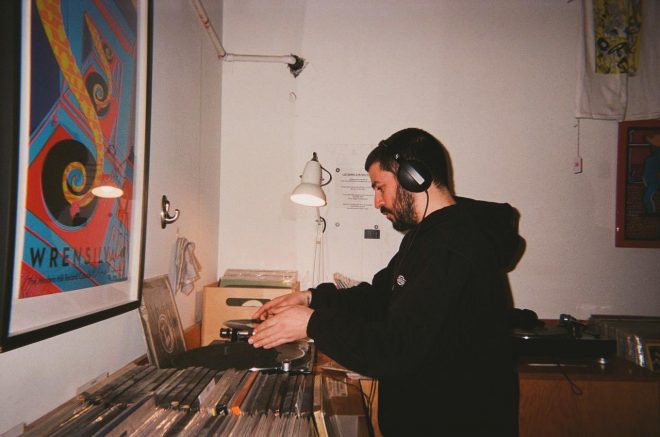
© Photo: Danesh Imran
E proprio a proposito di identità, quella musicale non è mai qualcosa di immobile. Quali esperienze, incontri o luoghi hanno modificato più profondamente il tuo modo di ascoltare, selezionare e vivere la musica?
L'aspetto che ha inciso maggiormente sul mio percorso è stato l'incontro con determinate persone e artisti che, nel corso degli anni, hanno assunto un ruolo ben più importante di quello di semplici conoscenze. Dai rapporti di amicizia, stima e reciproco rispetto è nato un contesto ricco di stimoli, che mi ha permesso di osservare da vicino il processo di apprendimento dell'arte del DJing e di approfondire la pratica del digging. Ancora più determinante è stata l'ispirazione ricevuta da chi viveva e tutt’ora vive la musica con un coinvolgimento totale, considerandola una vera e propria ragione di vita. A rafforzare questo percorso è stata ovviamente anche l'influenza dei club londinesi, per me autentici luoghi di formazione che hanno favorito una crescita tanto musicale quanto personale. La consapevolezza di trovarmi in un ambiente in cui la musica e la sua cultura vengono vissute con passione, autenticità, rispetto e soprattutto con tanta serietà, ha lasciato un segno indelebile. È in quel momento che il mio rapporto con la musica si è trasformato, assumendo un significato completamente nuovo, molto più profondo.
Evolvere senza tradirsi è probabilmente uno degli equilibri più complessi per un artista. Come capisci quando un cambiamento rappresenta una crescita e quando, invece, rischia di allontanarti dalla tua visione?
Trovare un equilibrio può essere estremamente complicato, ma credo che tutto dipenda dalla prospettiva con cui si osservano le cose. Ognuno di noi interpreta la realtà in modo diverso, per me, tutto si riduce alla solidità dei propri valori, alla capacità di adattarsi ai contesti senza compromettere eccessivamente, evitando di metterli in discussione, e al grado di flessibilità che ho intenzione di applicare in determinate situazioni. C’è da dire che, in alcuni aspetti che caratterizzano i giorni attuali, è diventato quasi inutile combattere contro ciò che non possiamo cambiare. A volte, adattarsi pur mantenendo dei limiti e senza rinunciare completamente a ciò in cui si crede, senza perdere la propria essenza, è stata la scelta più intelligente, lucida e sensata da portare avanti. Penso che il primo passo sia essere sinceri con sé stessi e avere ben chiara la direzione che si desidera intraprendere, credo che questo sia alla base di tutto. Come si dice, "non è tutto oro quel che luccica", molte opportunità che sembrano rappresentare una crescita possono rivelarsi improduttive o condurci su strade che ci allontanano dal percorso che stiamo cercando di costruire. Per quanto mi riguarda, è soprattutto una questione di istinto. Mi affido a percezioni interiori e all'esperienza accumulata negli anni. Anche gli errori e le scelte sbagliate hanno avuto un ruolo fondamentale, mi hanno insegnato a riconoscere con maggiore lucidità ciò che vale davvero la pena perseguire.
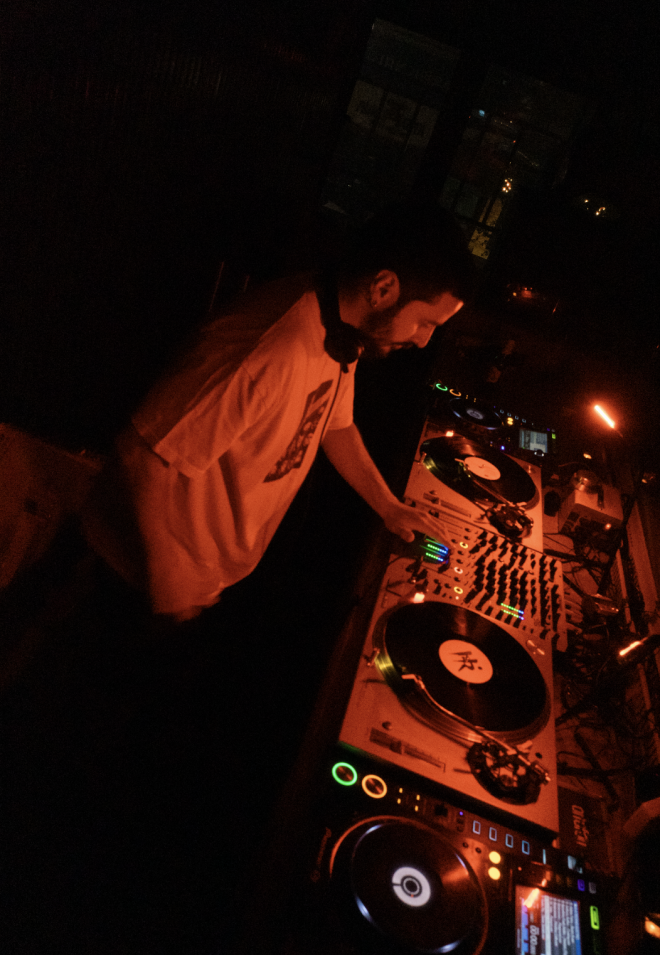
© Photo: Hansy Media
Prima parlavi dell’importanza di rimanere fedele alla tua arte senza accettare compromessi. Nel tuo percorso ti è mai capitato di dover rinunciare a un’opportunità perché non rispecchia ciò che sei?
Viviamo in un'epoca in cui tutto è diventato incredibilmente accessibile. Proprio per questo, credo sia fondamentale avere fiducia nella propria visione artistica e saper valorizzare gli strumenti che si hanno a disposizione per darle forma, senza mai interrompere la ricerca di nuove possibilità, linguaggi e metodi alternativi attraverso cui continuare a generare arte. È l’unico modo, a mio avviso, per esprimere qualcosa di autentico e continuare a evolversi e, allo stesso tempo, trovare un senso di pace interiore. Nel mio percorso, seppur modesto, ho scelto di rinunciare a opportunità che non sentivo in sintonia con la mia direzione o che, semplicemente, non avrebbero aggiunto quel valore umano o creativo che cerco. Oggi, in un mondo in cui quasi tutto viene trasformato in profitto o in contenuto, cerco di andare oltre la superficie, provando a distinguere ciò che offre soltanto risultati immediati da ciò che, invece, potrebbe lasciare un valore destinato a durare, con una certa continuitá.
È infatti ormai risaputo che oggi l’industria musicale sembri chiedere agli artisti di essere contemporaneamente DJ, comunicatori, creator e personaggi pubblici. Quanto spazio rimane, secondo te, per la ricerca musicale autentica?
Dipende da quanto siamo disposti a lasciarci condizionare da ciò che la società ci chiede. Viviamo a una velocità incredibile e il tempo sembra essere diventato una delle risorse più difficili da proteggere. Mi confronto anch’io quotidianamente con questa sensazione, ma credo che, alla fine, sia soprattutto una questione di priorità: di come scegliamo di spendere il nostro tempo e soprattutto, di ciò che vogliamo davvero costruire. Per me la ricerca musicale occupa un posto centrale, ed è per questo che ogni giorno scelgo di dedicarle tempo ed energie: sento un bisogno costante di scoprire e ascoltare qualcosa di nuovo. È una ricerca che mi mantiene vivo. Credo che sia proprio questo desiderio a creare lo spazio necessario per ciò che considero il fulcro di tutto. Il resto, in fondo, è semplicemente lo spazio che scegliamo di dare alle altre cose, con la consapevolezza che la vita è fatta di scelte e sacrifici. Ogni strada che scegliamo implica inevitabilmente qualcosa a cui rinunciare, qualcosa che lasciamo indietro.
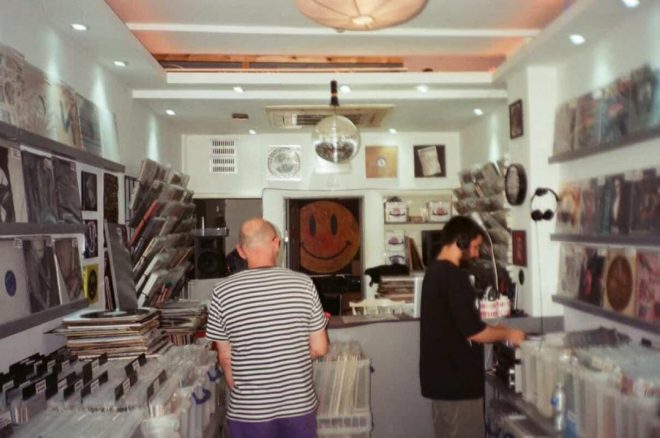
© Photo: Cristian Sanchez
Qual è l’aspetto dell’industria musicale contemporanea con cui fai più fatica a relazionarti e quale strategia hai sviluppato per non lasciarti condizionare?
Come accennavo in precedenza, il mondo contemporaneo presenta alcuni aspetti con i quali ho faticato a confrontarmi e che, nel corso degli anni, mi hanno portato inevitabilmente a trovare un equilibrio tra adattamento, opposizione e distanza. Tra questi, uno dei più rilevanti è stato il rapporto con l'utilizzo quotidiano delle piattaforme digitali. Per molto tempo ho considerato questi mezzi come qualcosa di contrario alla spontaneità e alla naturalezza, valori che ho sempre associato profondamente al mondo della musica. Avevo la sensazione che la crescente presenza dei social stesse alterando la scena musicale e allontanandosi da ciò che le generazioni precedenti avevano costruito. Nei primi anni, questa percezione mi provocava anche una certa ansia, soprattutto perché sentivo di dovermi adattare a un ambiente prevalentemente digitale che non riconoscevo come realmente mio. Con il passare del tempo, tuttavia, ho iniziato a guardare la questione da una prospettiva diversa. Ho compreso che, per quanto possa piacere o meno, queste piattaforme sono ormai parte integrante della nostra realtà e che, se utilizzate con consapevolezza, possono rappresentare strumenti di grande valore. Ho scelto quindi di limitare l'utilizzo alla promozione della mia attività musicale, cercando di mantenere ben distinta la mia vita privata dalla mia presenza online. Allo stesso tempo, ho imparato a sfruttare gli aspetti più positivi, anche per creare o mantenere connessioni con persone lontane. È stato un processo che mi ha insegnato quanto sia importante, talvolta, allontanarsi dalla singola problematica e osservare il quadro generale, cercando di riconoscere e dare valore anche a ciò che di positivo può emergere.
Forse proprio grazie anche ai media e all'utilizzo dei social, oggi il rapporto con il pubblico è diventato sempre più diretto, ma anche più esposto ai numeri, alle aspettative e al giudizio costante. Come proteggi la tua libertà artistica senza perdere il contatto con chi ti ascolta?
Il fatto che possano esserci delle aspettative nei miei confronti mi fa pensare che il percorso formativo e umano che ho intrapreso attraverso la musica abbia, in qualche modo, dato i suoi frutti e che venga riconosciuto e apprezzato, cosa che accolgo con grande umiltà. In questo senso, le aspettative generano dentro di me una pressione positiva: diventano uno stimolo ulteriore per impegnarmi, crescere e continuare a percorrere la mia strada con ancora più convinzione. Allo stesso tempo, però, cerco di ricordarmi costantemente che sono umano e che, nella vita, imparare a proteggersi e mettere al primo posto la propria salute mentale non è un limite, ma una necessità. Credo profondamente che il vero contatto umano in questo ambito, debba essere spontaneo. Allo stesso modo, considero la libertà espressiva il fulcro di qualsiasi arte e, più in generale, di chiunque scelga di creare. Nel mio caso, questa libertà è anche una parte essenziale del mio equilibrio. Se arrivassi a sentirmi intrappolato, condizionato o incapace di esprimermi fino in fondo, senza filtri e con paura del giudizio, prima o poi finirei inevitabilmente per soffrirne. Per questo continuo a ricordare a me stesso che sono umano, che posso essere vulnerabile e che ho il diritto di raccontare ciò che sento attraverso la musica nel modo che ritengo più autentico, senza sentirmi costantemente sotto esame. Sono anche convinto che quando si riesce a creare qualcosa di veramente proprio, liberandolo il più possibile dall'ego e dal bisogno di approvazione, prima o poi quella sincerità riesca a raggiungere qualcuno. Può essere riconosciuta, interpretata, apprezzata o semplicemente sentita. Ed è proprio lì che, secondo me, accade qualcosa di speciale: nascono connessioni autentiche tra persone che magari non si sono mai incontrate, ma che riescono a riconoscersi attraverso un'emozione.
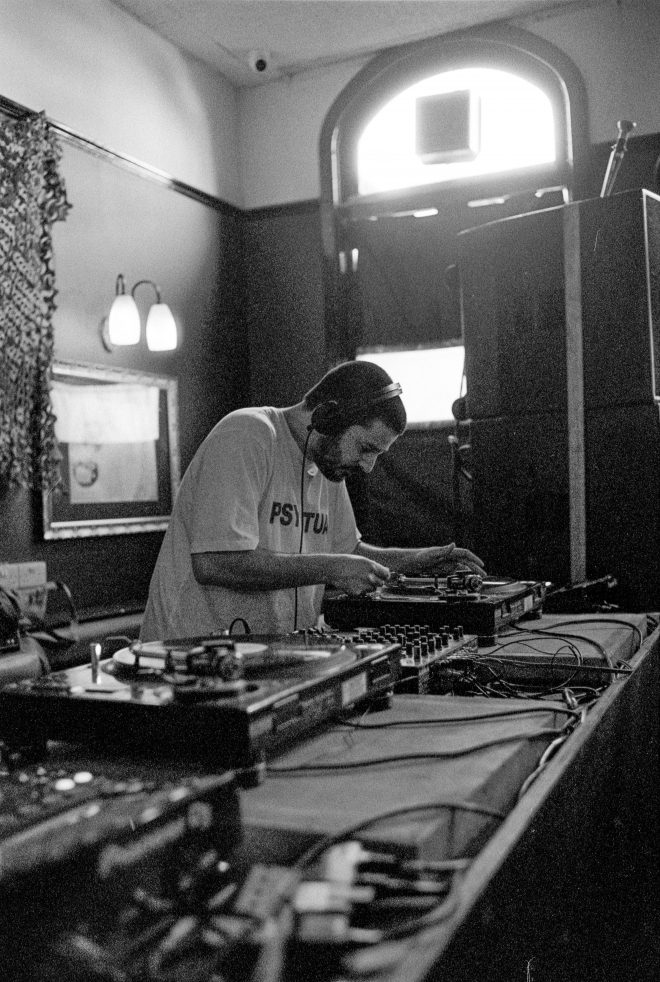
© Photo: Gabriel Purcell
Vivere e lavorare fuori dall’Italia ha cambiato anche il tuo modo di rapportarti agli altri artisti? Hai trovato una scena più aperta alla collaborazione oppure le stesse dinamiche competitive esistono ovunque?
Devo dire che, quando ho lasciato l’Italia, si respirava una sorta di atmosfera negativa. Il Paese sembrava attraversare una fase di forte immobilità, e quella fu, a mio avviso, un’epoca piuttosto buia. Ricordo una scarsa collaborazione tra le diverse realtà italiane, accompagnata piuttosto da un forte senso di rivalità. Arrivare a Londra ha rafforzato qualcosa che ho sempre pensato fin da bambino: l’unione fa la forza e sostenersi reciprocamente è forse l’unico modo per far crescere una comunità, o persino per costruirne una da zero. Qui a Londra, guardando il panorama nel suo insieme, ho percepito una forma di amore collettivo: artisti, gruppi e collettivi pronti a supportare e creare connessioni. Allo stesso tempo, mi sono reso conto che anche all’interno di una comunità coesa la competizione rimane inevitabilmente presente, e credo che faccia parte della natura delle cose. Non ho mai modificato il mio modo di rapportarmi agli altri artisti, perché il mio atteggiamento nasce soprattutto da valori personali e non dal luogo in cui mi trovo. Londra, però, è stata una maestra severa e diretta: mi ha messo davanti alla realtà senza filtri e mi ha lasciato insegnamenti profondi, vere e proprie lezioni di vita che porterò sempre con me.
Oggi, dopo tutte le esperienze che hanno attraversato e trasformato la tua identità, che cosa significa per te essere un “Italiano Fuori”?
Significa semplicemente rendere omaggio a ciò che il mio Paese d’origine mi ha dato, nel bene e nel male, intrecciando con tutto ciò che sto imparando e vivendo sulla mia pelle nel Paese in cui oggi risiedo. È una vera e propria fusione di esperienze, culture e percorsi che ormai fanno parte di me. D’altronde, gli anni trascorsi in Italia stanno quasi per essere eguagliati da quelli vissuti nel Regno Unito e, in tutta sincerità, sento che la mia gratitudine è rivolta in egual misura a entrambe. Mi sento figlio di due terre, diverse ma capaci, ciascuna a modo suo, di darmi così tanto e di contribuire a ciò che sono oggi.
ENGLISH VERSION
Some journeys have a specific destination, whilst others, years later, end up changing even the very meaning of the word ‘home’. Kensa (Lorenzo Di Michele) left Abruzzo (Italy) in 2011, in his early twenties, driven above all by curiosity and a desire to experience first-hand the English club culture that, until then, he had only known from afar. Fifteen years on, the time he has spent in the United Kingdom is almost on a par with that spent in the country where he was born. And perhaps this is precisely where the definition of ‘Italiano Fuori’ becomes most interesting: when the ‘outside’ is, in some way, internalised.
London, meanwhile, has become a school, a testing ground and a place of learning through clubs, record digging and, above all, encounters with people for whom music was not simply a profession, but a way of organising their very existence. A sentimental and musical education that Lorenzo recounts without necessarily romanticising the city, describing it instead as a ‘strict teacher’, capable of teaching him as much through the opportunities it offered as through its contradictions.
His story thus touches on some of the tensions that define electronic music today: authenticity and adaptation, exploration and visibility, community and competition, real life and digital presence. At a time when artists are expected to be DJs, creators, communicators and public figures all at once, Lorenzo, on the other hand, continues to focus on something seemingly very simple: the time devoted to listening, searching and building one’s own musical identity.
For ‘Italiani Fuori’, we spoke to him about what remains of Italy after fifteen years in London, what the British scene has taught him, the opportunities he has chosen to turn down, and the extent to which it is still possible to protect a personal vision in an industry that seems to demand artists be visible even before they are recognisable.
Let’s start at the beginning: when did you leave Italy, and what were you looking for artistically and personally beyond its borders?
I left Italy in 2011, when I was just over twenty. I still clearly remember the enthusiasm and curiosity that drove me towards the unknown. I felt the need to experience something completely different from the reality in which I’d grown up. This decision was driven by a desire to engage with new cultures, with the aim of broadening my horizons and, above all, putting myself to the test. At the time, I didn’t yet have a clear vision of my creative future, but I was certain of just one thing: music was my greatest passion and I wanted to experience the British club scene first-hand. From that moment on, a journey of transformation began, made up of experiences, encounters and discoveries which, step by step, have helped shape the person I am today.
Did living abroad force you to view your Italian identity from a different perspective? What did you rediscover about your roots through the distance?
No, actually I never felt the need to question my identity or view it from a different angle. It didn’t take me long to realise that I found myself immersed in a reality completely different from the one I knew. London felt almost like an abstract world, a huge melting pot of cultures, histories and people from all over the world, and its inclusive nature made my journey of adaptation ‘easier’, but also incredibly rewarding. Of course, every coin has two sides: my roots remained far away geographically speaking, but never in my heart. Over time, I’ve come to realise that the lessons I learnt from my family have been the bedrock that has guided every step of the fifteen years I’ve spent here. A family upbringing is a precious gift to be cherished, because, sooner or later, those lessons will prove to be the most genuine and indispensable support available.
© Photo: Danesh Imran
And speaking of identity, one’s musical identity is never static. What experiences, encounters or places have most profoundly shaped the way you listen to, select and experience music?
The factor that has had the greatest impact on my journey has been meeting certain people and artists who, over the years, have come to play a far more significant role than that of mere acquaintances. From these relationships of friendship, esteem and mutual respect, an environment rich in inspiration emerged, allowing me to observe the process of learning the art of DJing at close quarters and to delve deeper into the practice of digging. Even more decisive was the inspiration I drew from those who lived – and still live – music with total dedication, regarding it as a true raison d’être. This journey was, of course, also reinforced by the influence of London’s clubs, which for me were genuine places of learning that fostered growth both musically and personally. The realisation that I was in an environment where music and its culture are experienced with passion, authenticity, respect and, above all, great seriousness, left an indelible mark. It was at that moment that my relationship with music was transformed, taking on a completely new, much deeper meaning.
Evolving without betraying oneself is probably one of the most complex balancing acts for an artist. How do you know when a change represents growth and when, on the other hand, it risks taking you away from your vision?
Finding a balance can be extremely complicated, but I believe it all depends on the perspective from which you view things. Each of us interprets reality differently; for me, it all comes down to the strength of one’s values, the ability to adapt to contexts without compromising too much or calling them into question, and the degree of flexibility I’m prepared to apply in certain situations. It has to be said that, in some aspects of life today, it has become almost pointless to fight against what we cannot change. At times, adapting whilst maintaining boundaries and without completely giving up on what you believe in – without losing your essence – has been the most intelligent, clear-headed and sensible choice to make. I think the first step is to be honest with oneself and to have a clear idea of the direction one wishes to take; I believe this is the foundation of everything. As the saying goes, ‘all that glitters is not gold’; many opportunities that appear to offer growth may turn out to be unproductive or lead us down paths that take us away from the course we are trying to chart. As far as I’m concerned, it is above all a matter of instinct. I rely on my inner instincts and the experience I’ve built up over the years. Even mistakes and wrong choices have played a key role; they’ve taught me to recognise more clearly what’s truly worth pursuing.
© Photo: Hansy Media
Earlier you were talking about the importance of remaining true to your art without making compromises. In your career, have you ever had to turn down an opportunity because it didn’t reflect who you are?
We live in an age where everything has become incredibly accessible. Precisely for this reason, I believe it is essential to have confidence in one’s own artistic vision and to know how to make the most of the tools at one’s disposal to give it form, whilst never ceasing to seek out new possibilities, languages and alternative methods through which to continue creating art. In my view, this is the only way to express something authentic and to keep evolving, whilst at the same time finding a sense of inner peace. In my own, albeit modest, career, I have chosen to turn down opportunities that I didn’t feel were in line with my direction or that, quite simply, wouldn’t have added the human or creative value I seek. Today, in a world where almost everything is turned into profit or content, I try to look beyond the surface, attempting to distinguish between what offers only immediate results and what, on the other hand, might leave a lasting value, with a certain continuity.
It is, in fact, now well known that today’s music industry seems to expect artists to be DJs, communicators, creators and public figures all at once. How much room do you think remains for authentic musical exploration?
It depends on how much we’re willing to let ourselves be influenced by what society demands of us. We live at an incredible pace, and time seems to have become one of the hardest resources to protect. I, too, grapple with this feeling every day, but I believe that, ultimately, it is above all a question of priorities: of how we choose to spend our time and, above all, of what we really want to build. For me, musical exploration takes centre stage, and that is why I choose to devote time and energy to it every day: I feel a constant need to discover and listen to something new. It is a quest that keeps me alive. I believe it is precisely this desire that creates the space needed for what I consider to be the very heart of it all. The rest, after all, is simply the space we choose to give to other things, in the knowledge that life is made up of choices and sacrifices. Every path we choose inevitably involves something we have to give up, something we leave behind.
© Photo: Cristian Sanchez
What aspect of the contemporary music industry do you find most difficult to relate to, and what strategy have you developed to avoid being influenced by it?
As I mentioned earlier, the contemporary world has certain aspects that I have struggled to come to terms with and which, over the years, have inevitably led me to strike a balance between adaptation, resistance and detachment. Among these, one of the most significant has been my relationship with the everyday use of digital platforms. For a long time, I viewed these platforms as something at odds with spontaneity and naturalness – values I have always deeply associated with the world of music. I had the feeling that the growing presence of social media was altering the music scene and moving away from what previous generations had built. In the early years, this perception also caused me a certain amount of anxiety, particularly because I felt I had to adapt to a predominantly digital environment that I did not recognise as truly my own. As time went on, however, I began to view the matter from a different perspective. I realised that, whether we like it or not, these platforms are now an integral part of our reality and that, if used mindfully, they can be extremely valuable tools. I therefore chose to limit my use of them to promoting my musical work, whilst trying to keep my private life clearly separate from my online presence. At the same time, I’ve learnt to make the most of the positive aspects, including using them to create or maintain connections with people far away. It has been a process that has taught me how important it is, at times, to step back from a single issue and look at the bigger picture, trying to recognise and value the positive aspects that may emerge.
Perhaps thanks in part to the media and the use of social media, my relationship with the public has become increasingly direct, but also more exposed to statistics, expectations and constant judgement. How do you protect your artistic freedom without losing touch with your audience?
The fact that there may be expectations of me leads me to believe that the personal and creative journey I have embarked upon through music has, in some way, borne fruit and is being recognised and appreciated – something I accept with great humility. In this sense, these expectations generate a positive kind of pressure within me: they become a further incentive to commit myself, to grow and to continue on my path with even greater conviction. At the same time, however, I try to constantly remind myself that I am human and that, in life, learning to protect oneself and prioritising one’s mental health is not a limitation, but a necessity. I firmly believe that genuine human connection in this context must be spontaneous. Similarly, I regard freedom of expression as the very heart of all art and, more broadly, of anyone who chooses to create. In my case, this freedom is also an essential part of my sense of balance. If I were to feel trapped, constrained or unable to express myself fully – without filters and for fear of judgement – sooner or later I would inevitably end up suffering as a result. That is why I keep reminding myself that I am human, that I can be vulnerable and that I have the right to convey what I feel through music in the way I consider most authentic, without feeling constantly under scrutiny. I’m also convinced that when you manage to create something that’s truly your own, freeing it as much as possible from the ego and the need for approval, sooner or later that sincerity will reach someone. It may be recognised, interpreted, appreciated or simply felt. And that’s precisely where, in my view, something special happens: genuine connections are formed between people who may never have met, but who manage to recognise one another through an emotion.
© Photo: Gabriel Purcell
Has living and working outside Italy changed the way you relate to other artists? Have you found a scene that is more open to collaboration, or do the same competitive dynamics exist everywhere?
I have to say that when I left Italy, there was a certain sense of negativity in the air. The country seemed to be going through a period of deep stagnation and, in my view, it was a rather dark time. I remember there being very little collaboration between different parts of the Italian scene, and instead a strong sense of rivalry.
Moving to London reinforced something I had believed since I was a child: there is strength in unity, and supporting one another is perhaps the only real way to help a community grow, or even to build one from scratch. Looking at the wider picture here in London, I have often felt a kind of collective affection: artists, groups and collectives willing to support one another and create meaningful connections.
At the same time, I came to realise that even within a close-knit community, competition inevitably remains, and I think that is simply part of the nature of things. I have never really changed the way I relate to other artists, because my approach comes primarily from my personal values rather than from the place I happen to be in.
London, however, has been a tough and uncompromising teacher. It has confronted me with reality without filters and left me with profound lessons, genuine life experiences that I will always carry with me.
Today, after all the experiences that have shaped and transformed your identity, what does being an “Italiano Fuori” mean to you?
To me, it simply means honouring everything my home country has given me, for better or worse, while weaving it together with everything I am learning and experiencing first-hand in the country where I now live. It is a genuine fusion of experiences, cultures and personal journeys that have all become part of who I am.
After all, the number of years I have spent in the UK is now close to matching the years I lived in Italy and, truthfully, I feel equally grateful to both. I feel like a son of two lands, very different from one another, yet each capable, in its own way, of giving me so much and contributing to the person I am today.
