


Ministry of Sound (Anthology): New Book Chronicles the Club’s Untold History
New 416-page Rizzoli hardbook explores the club’s formative years through unseen archives, oral histories and rare memorabilia
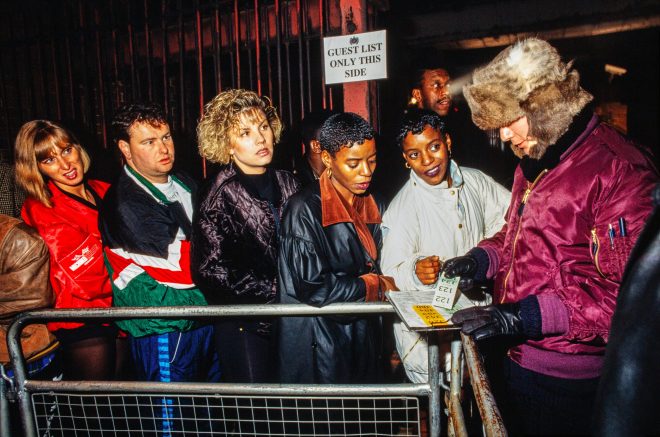
For years, some of the most important documents in British club culture were sitting in storage units, filing cabinets, spare bedrooms and forgotten boxes.
Flyers. Internal memos. Guest lists. Photographs. Contracts. Letters. Thousands of fragments connected to Ministry of Sound, one of the most documented clubs in dance music and, paradoxically, one whose own story has rarely been told in a complete form.
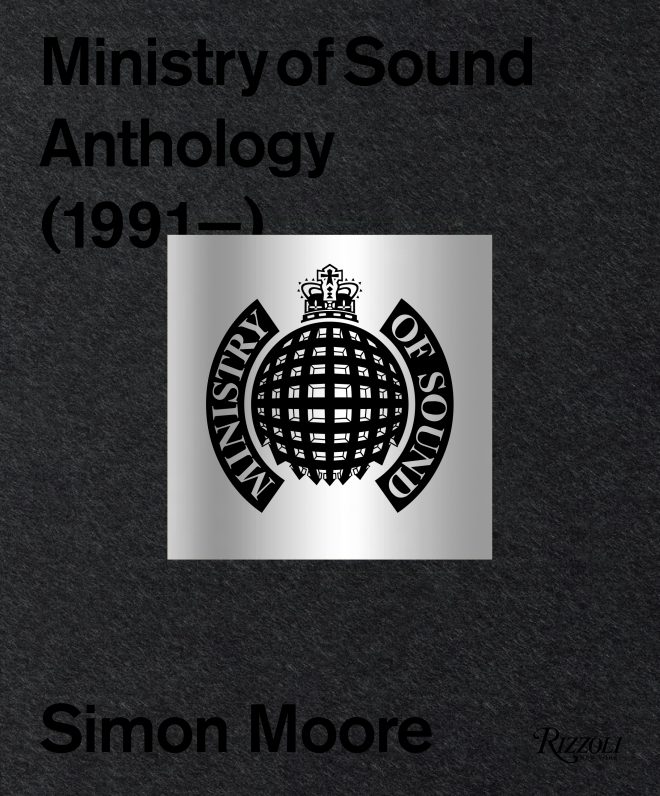
That material now forms the backbone of Ministry of Sound: Anthology, a new 416-page book written and designed by Simon Moore and published by Rizzoli New York.
The project took more than two years to assemble. Some items came from private collections. Others surfaced through photographers’ archives, second-hand dealers and online marketplaces. Piece by piece, a history that had become scattered across three decades was pulled back together.
The result is less a celebration of Ministry of Sound than an investigation into how club culture survives.
Most nightlife institutions leave behind very little. Buildings change purpose. Ownership shifts. Scenes evolve. What remains is often selective, shaped by nostalgia, marketing or the stories people choose to repeat. Ministry followed a different trajectory. Almost everything generated a paper trail.
The early business plans survived. The promotional material survived. The photographs survived. So did the accounts of DJs, staff, promoters and clubbers who witnessed the club’s transformation from a former bus garage in South London into one of the most influential names in electronic music.
Those voices run throughout the book. Paul Oakenfold, David Morales, Carl Craig, Moby, Princess Julia, Pete Tong, Steve Angello and Honey Dijon are among the contributors helping reconstruct a period when British nightlife was expanding faster than anyone could properly document.

Reading through the material, one detail becomes difficult to ignore. Ministry of Sound was built before dance music had fully entered the cultural mainstream. Before social media. Before content strategies. Before electronic music developed the infrastructure that now surrounds it.
Many of the decisions that shaped the club were being made without a blueprint.
That uncertainty is part of what gives the archive its value today.
Rather than presenting a polished history, Ministry of Sound: Anthology captures a period when outcomes were still unknown, when club culture felt less like an industry and more like an experiment unfolding in real time.
The book will be published on 20 October 2026.
