

Pressure Point: abitare le zone di mezzo
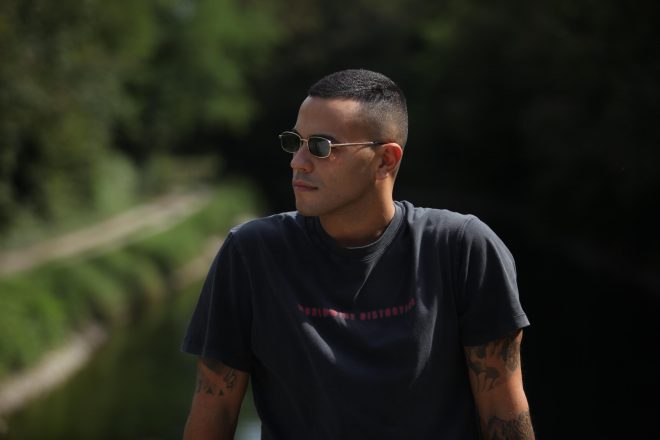
Il 26 gennaio, dopo alcuni anni di stop di Pressure Point, esce su Sol Asylum Middle Of Nowhere, il suo nuovo EP. Ne abbiamo parlato con lui.
ENGLSH VERSION BELOW
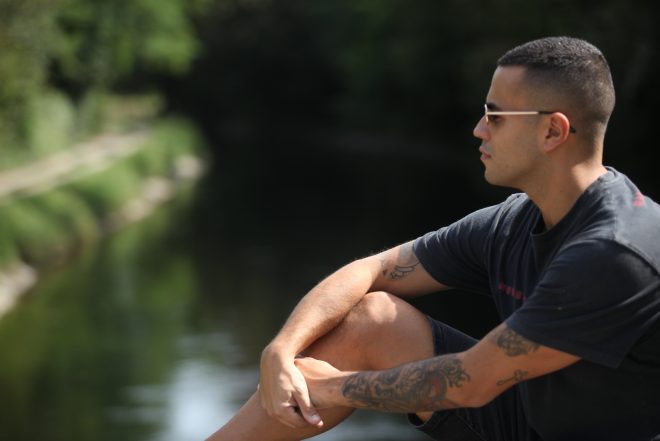
Ci sono percorsi che non hanno mai avuto bisogno di farsi notare per esistere. Pressure Point è uno di quei nomi che la scena ha imparato a riconoscere nel tempo, senza annunci, senza accelerazioni forzate. Sempre lì, ma con una traiettoria laterale. Come se la musica fosse prima di tutto un fatto personale, da abitare con discrezione.
La scelta di non pubblicare nulla negli ultimi tre anni non sembra essere stata dettata da un allontanamento, quanto più da un bisogno di restare. Dentro il suono, dentro l’ascolto, dentro una relazione con la musica che a un certo punto aveva bisogno di essere rimessa a fuoco. Middle of Nowhere EP nasce proprio da lì: da una pausa che non è mai stata vuoto, ma sedimentazione. Il ritorno non poteva che avvenire su Sol Asylum Limited, progetto condiviso da oltre dieci anni con Julie Marghilano. Una collaborazione che, fin dall'inizio, è stata tradotta in termini di fiducia, visione comune e continuità.
In questo EP convivono le due anime che attraversano da sempre il suo percorso: Pressure Point e D:fferent Place. Non come alter ego separati, ma come linguaggi che si rispondono, si contaminano, si tengono in equilibrio. Middle of Nowhere sembra parlare di crescita lontana dall'hype, di imparare da soli, di restare spesso ai margini pur continuando a far parte del flusso.
Pressure Point è un nome che circola da anni nella scena elettronica europea, ma sempre con una certa discrezione. Se dovessi raccontare oggi chi è Pressure Point, da dove partiresti? Da un suono, da un’attitudine, da un momento preciso del tuo percorso...
Il bello della musica, come di qualsiasi forma d’arte, è che ti permette di entrare e uscire da un percorso come se il tempo potesse fermarsi. All’inizio aspiri a determinate cose che poi, con il tempo, si trasformano in altro. Arrivi a capire chi sei davvero e cosa puoi fare, con più consapevolezza e con obiettivi diversi.
Non ho mai avuto un punto di partenza né uno di arrivo: mi piace vivere la musica a modo mio, senza esserne dipendente a 360 gradi. Ed è probabilmente anche per questo che, nel tempo, c’è sempre stata una certa discrezione attorno al mio percorso.
Nel tempo hai dato vita anche al progetto parallelo D:fferent Place. Perché a un certo punto hai sentito il bisogno di sdoppiarti?
Con D:fferent Place volevo raccontare una parte diversa di me, qualcosa che si discostasse da ciò che stavo facendo come Pressure Point e che mi riportasse alle mie origini. A quattordici anni è stata l’house music ad accendere il mio interesse per la musica e per tutto quello che le ruota intorno: la mia prima vera fonte di ispirazione, il mio primo amore.
Come convivono oggi Pressure Point e D:fferent Place? Sono due linguaggi distinti o due facce dello stesso processo creativo?
Bellissima domanda... posso dirti che sono due facce dello stesso processo creativo: cambia la sostanza, cambia il linguaggio, ma il metodo resta lo stesso.
Questo disco segna anche il tuo ritorno dopo tre anni come produttore. Come ti ha cambiato questa pausa?
Se quello che stai facendo non ti dà più emozioni, significa che qualcosa non sta funzionando. La musica è in continua evoluzione e non sempre riesce a rappresentarti: a un certo punto rischi di perdere la consapevolezza di chi sei e di quello che stai facendo, arrivando persino a pensare di non avere più nulla da offrire alla scena.
Alla fine, però, questo passaggio non mi ha cambiato. Mi ha semplicemente dato più sicurezza e più autostima.
Quando hai capito che era il momento giusto per tornare a pubblicare? C’è stato un episodio, una traccia, o semplicemente una sensazione di “urgenza”?
Come dicevo prima, quando ho ritrovato le mie sicurezze e le mie emozioni ho capito che era il momento giusto per tornare a fare qualcosa, per riprendere da dove avevo lasciato. Più che un’urgenza, è stato un bisogno, una necessità. Fare musica e stare in mezzo alle persone è ciò che ho sempre fatto, ed è difficile starne lontano.
Middle of Nowhere EP esce su Sol Asylum Limited, progetto della DJ berlinese Julie Marghilano. Il vostro è un rapporto di lunga durata, non solo professionale. Come è nata questa collaborazione?
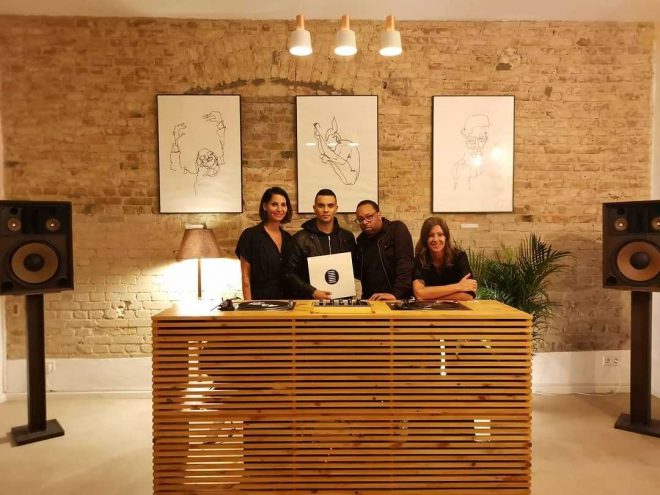
Con Julie c’è un’amicizia che dura da più di dieci anni e che va ben oltre il rapporto lavorativo. È stata una delle prime persone a credere davvero in me all’inizio del mio percorso, un passaggio che mi ha poi portato a diventare parte integrante di Sol Asylum, un’etichetta che oggi considero solida, affermata e con una visione a lungo termine.
Siamo sempre stati in sintonia, sia umanamente che sul piano professionale, quindi ripartire da qui è sembrato naturale. Anche il timing è perfetto: l’uscita del disco coincide con la data di Julie al Panorama Bar, e mi piace pensare che tutto questo sia il risultato di una serie di cose che tornano ad allinearsi nel modo giusto.
Sol Asylum sembra più un luogo mentale che una semplice etichetta. Che visione c’è dietro? E quanto questa visione ha influenzato la direzione dell’EP?
Esattamente. Dietro Sol Asylum c’è un lavoro enorme che va avanti da oltre dieci anni. Julie è estremamente rigorosa e attenta in tutto ciò che fa, e questo ha fatto sì che ogni dettaglio sia sempre stato curato, dalla scelta degli artisti nelle line up a quella dei produttori sulla label.
Il risultato è un percorso naturale ma allo stesso tempo molto professionale, che mi ha dato la possibilità di pubblicare un EP capace di attraversare diverse direzioni di genere. Questo riflette una visione ampia, aperta, costantemente proiettata al futuro e che non si pone limiti.
Il titolo Middle of Nowhere suggerisce uno stato di sospensione, quasi di isolamento. Da dove nasce questa immagine? È qualcosa che riguarda il tuo vissuto recente o più l’evoluzione del tuo percorso artistico?
Middle of Nowhere l'ho scelto con attenzione, perché volevo rappresentasse in modo molto preciso tutto il mio percorso. Ero letteralmente in mezzo al nulla quando ho iniziato a fare musica, in un paese lontano dalle grandi città e dai grandi eventi. Lo stesso vale per quando ho imparato a produrre: non avevo nessuno intorno che potesse aiutarmi.
Nel tempo mi sono spesso ritrovato a restare un po’ ai margini del sistema, e oggi, in un certo senso, mi sembra di essere tornato al punto di partenza. È come se tutto fosse di nuovo lì, all’inizio. E va bene così.
Cosa puoi dirci sull'origine di questo EP? È nato come un progetto unitario o come una serie di tracce che solo in seguito hanno trovato una coerenza comune?
Sono tracce sviluppate negli ultimi mesi, ad eccezione di una, quindi sì: l’EP nasce quasi unicamente come un progetto unitario, anche se attraversa stili diversi. Ed è proprio questa la direzione che vorrei seguire nei prossimi anni, vivere la musica in modo più libero, a 360 gradi.
La seconda traccia sul lato B del disco, invece, l’ho prodotta nel 2016 come D:fferent Place. Avevo qualche dubbio nel inserirla perché il timbro è diverso rispetto al resto dell’EP, ma è sempre stata una traccia che ho amato e suonato per anni. Sentivo che finalmente era arrivato il momento giusto per pubblicarla.
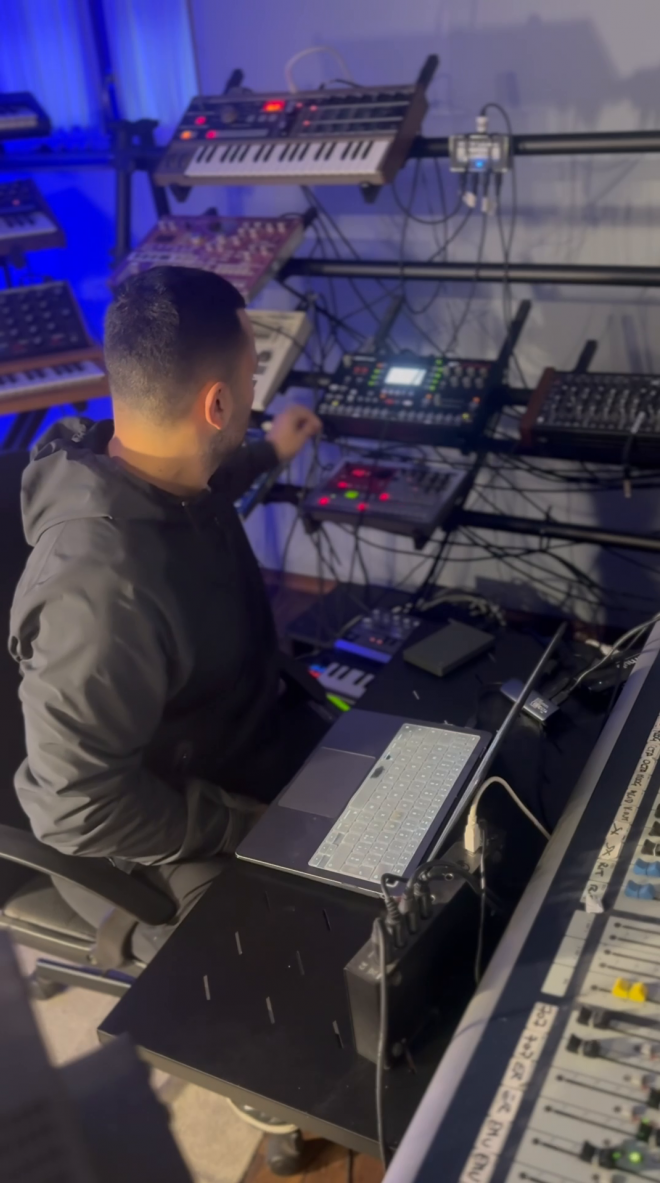
Bene, quindi ora che conosciamo l'idea, passiamo al pratico. Ti va di portarci in studio con te e di raccontarci come hai lavorato a queste tracce e qual è stato il tuo setup principale?
Rispetto a qualche anno fa ho abbandonato la quantità, riducendo il mio workflow a ciò che mi serve davvero. Poche macchine, quelle che sento mie, esplorate fino in fondo, così da arrivare sempre al risultato che cerco.
Di solito lavoro con synth, drum machine di vecchia data e sequencer, affiancati da effetti e DAW sempre aggiornate. È un approccio che, in fondo, ho sempre avuto.
E, visto che hai citato le macchine: ci sono strumenti che senti particolarmente centrali in questo EP, o che hanno definito il carattere del suono?
Sicuramente tutto il mio equipment ha contribuito a definire il carattere del suono nel tempo, ma non è qualcosa a cui si arriva in un attimo: servono anni di lavoro e di studio. Non c’è uno strumento centrale, piuttosto un insieme di suoni scelti con cura, che nel loro insieme danno forma all’EP.
Quanto spazio lasci all’imprevisto e all’errore nel tuo processo produttivo? Ci sono mai momenti in cui una traccia prende una direzione diversa da quella immaginata?
Anni fa ero molto più meticoloso e rigido, mi fissavo sul genere e non mi concedevo errori, restando focalizzato su quello. Oggi no: sono molto più elastico. Posso partire da una traccia house che poi evolve in UK garage o in altro, e lascio che il processo segua naturalmente ciò che emerge, senza forzarlo verso altro, ovviamente con tutte le accortezze del caso.
Le tracce di Middle of Nowhere sembrano pensate tanto per il club quanto per un ascolto più intimo. Quando produci, a chi stai parlando? Al dancefloor o a te stesso?
Parlo prima di tutto a me stesso, proprio perché ho bisogno di provare emozioni. Non ho mai fatto uscire una traccia che non mi desse dei brividi. Allo stesso tempo, però, penso sempre al dancefloor: lavoro sulle tracce cercando di immaginarle dentro un club, usando tutto quello che so per proiettarle mentalmente in quello spazio.
È un equilibrio che ha sempre funzionato e, a volte, il risultato è stato persino oltre le aspettative.
Questo ritorno alla produzione segna per te un nuovo inizio o semplicemente una continuità ritrovata?
Direi una continuità ritrovata. In realtà non ho mai smesso di fare musica, comprare dischi, ascoltare ciò che mi piace e quello che mi gira intorno. Non mi sono mai isolato davvero: ho semplicemente vissuto tutto in modo più intimo, più personale, sapendo che prima o poi sarei tornato.
ENGLISH VERSION
There are paths that have never needed to draw attention in order to exist. Pressure Point is one of those names the scene has learned to recognise over time, without announcements or forced acceleration. Always there, but following a lateral trajectory. As if music were, first and foremost, a personal matter, to be inhabited with discretion.
The choice not to release anything over the past three years does not seem to stem from a desire to step away, but rather from the need to stay. Inside the sound, inside listening, inside a relationship with music that at a certain point needed to be refocused. Middle of Nowhere EP comes precisely from that place: from a pause that was never emptiness, but sedimentation. The return could only take place on Sol Asylum Limited, a project shared for over ten years with Julie Marghilano. A collaboration that, from the very beginning, has been built on trust, a shared vision, and continuity.
Within this EP coexist the two souls that have always run through his path: Pressure Point and D:fferent Place. Not as separate alter egos, but as languages that respond to each other, contaminate one another, and hold each other in balance. Middle of Nowhere seems to speak of growth far from hype, of learning on your own, of often remaining on the margins while still being part of the flow.
Pressure Point is a name that has been circulating within the European electronic music scene for years, always with a certain discretion. If you were to describe who Pressure Point is today, where would you start? From a sound, an attitude, a specific moment in your journey…
The beauty of music, like any form of art, is that it allows you to step in and out of a path as if time could momentarily stand still. At the beginning you aspire to certain things which, over time, evolve into something else. You come to understand who you really are and what you can actually do, with greater awareness and different goals.
I’ve never had a clear starting point or a final destination: I like to live music in my own way, without being dependent on it at every level. And that is probably why, over time, there has always been a certain discretion surrounding my path.
Over time you also gave life to the parallel project D:fferent Place. Why did you feel the need to split into two at a certain point?
With D:fferent Place I wanted to tell a different part of myself, something that moved away from what I was doing as Pressure Point and brought me back to my origins. When I was fourteen, house music was what sparked my interest in music and everything surrounding it: my first real source of inspiration, my first love.
How do Pressure Point and D:fferent Place coexist today? Are they two distinct languages or two sides of the same creative process?
Great question… I can tell you they are two sides of the same creative process: the substance changes, the language changes, but the method remains the same.
This record also marks your return as a producer after three years. How did this break change you?
If what you’re doing no longer gives you emotions, it means something isn’t working anymore. Music is in constant evolution and doesn’t always manage to represent you: at a certain point you risk losing awareness of who you are and what you’re doing, even starting to think you no longer have anything to offer the scene.
In the end, though, this phase didn’t change me. It simply gave me more confidence and self-belief.
When did you realise it was the right moment to start releasing music again? Was there a specific episode, a track, or simply a sense of “urgency”?
As I mentioned before, when I regained my confidence and my emotions, I understood that it was the right time to start doing something again, to pick up where I had left off. More than an urgency, it was a need, a necessity. Making music and being around people is what I’ve always done, and it’s hard to stay away from that.
Middle of Nowhere EP is released on Sol Asylum Limited, the project run by Berlin-based DJ Julie Marghilano. Yours is a long-standing relationship, not only a professional one. How did this collaboration come about?
With Julie there’s a friendship that has lasted for more than ten years and goes far beyond a working relationship. She was one of the first people to truly believe in me at the beginning of my journey, a step that eventually led me to become an integral part of Sol Asylum, a label I now consider solid, established and driven by a long-term vision.
We’ve always been in sync, both on a human and professional level, so starting again from here felt natural. The timing is perfect too: the release of the record coincides with Julie’s date at Panorama Bar, and I like to think of it as the result of a series of things falling back into place in the right way.
Sol Asylum seems more like a mental space than just a record label. What kind of vision sits behind it, and how much did that vision influence the direction of the EP?
Exactly. Behind Sol Asylum there is a huge amount of work that has been going on for more than ten years. Julie is extremely rigorous and detail-oriented in everything she does, and this has ensured that every aspect is always carefully curated, from the selection of artists in the line-ups to the choice of producers on the label.
The result is a path that feels natural yet highly professional, and one that gave me the opportunity to release an EP capable of moving across different genre directions. This reflects a broad, open vision, constantly projected towards the future and without limitations.
The title Middle of Nowhere suggests a state of suspension, almost of isolation. Where does this image come from? Is it connected to your recent personal experience or more to the evolution of your artistic path?
I chose Middle of Nowhere very carefully, because I wanted it to represent my entire journey in a precise way. I was literally in the middle of nowhere when I started making music, in a small town far from major cities and big events. The same applies to when I began producing: I didn’t have anyone around who could help me.
Over time I often found myself remaining slightly on the margins of the system, and today, in a certain sense, it feels like I’ve returned to the starting point. It’s as if everything is there again, at the beginning. And that’s fine.
What can you tell us about the origins of this EP? Was it conceived as a unified project, or as a series of tracks that only later found a shared coherence?
Most of the tracks were developed over the past few months, with the exception of one, so yes: the EP was conceived almost entirely as a unified project, even though it moves through different styles. And this is exactly the direction I’d like to follow in the coming years, living music more freely, in a 360-degree way.
The second track on the B-side of the record was produced back in 2016 under the D:fferent Place alias. I had some doubts about including it because its tone is different from the rest of the EP, but it’s a track I’ve always loved and played for years. I felt that the right moment had finally arrived to release it.
Alright, now that we know the concept, let’s move to the practical side. Would you take us into the studio and tell us how you worked on these tracks and what your main setup was?
Compared to a few years ago, I’ve moved away from quantity, reducing my workflow to what I truly need. Just a few machines, the ones that really feel like mine, explored in depth so I can consistently reach the result I’m looking for.
I usually work with synths, older drum machines and sequencers, combined with effects and DAWs that are always up to date. It’s an approach that, in many ways, I’ve always had.
And since you mentioned machines: are there any tools you feel were particularly central to this EP, or that defined the character of the sound?
My entire setup has definitely contributed to shaping the character of the sound over time, but it’s not something you arrive at instantly: it takes years of work and study. There isn’t a single central instrument, but rather a carefully chosen collection of sounds that, together, give shape to the EP.
How much space do you leave for unpredictability and error in your production process? Are there moments when a track takes a different direction than the one you initially imagined?
Years ago I was much more meticulous and rigid. I would fixate on genre and didn’t allow myself mistakes, staying tightly focused on that. Today it’s different: I’m much more flexible. I might start with a house track that then evolves into UK garage or something else, and I let the process naturally follow what emerges, without forcing it elsewhere, of course with all the necessary care.
The tracks on Middle of Nowhere seem designed both for the club and for more intimate listening. When you produce, who are you speaking to? The dancefloor or yourself?
I speak to myself first and foremost, because I need to feel emotions. I’ve never released a track that didn’t give me chills. At the same time, though, I’m always thinking about the dancefloor: I work on the tracks by imagining them inside a club, using everything I know to mentally project them into that space.
It’s a balance that has always worked, and at times the result has even exceeded my expectations.
Does this return to production represent a new beginning for you, or simply a rediscovered continuity?
I’d say a rediscovered continuity. In reality, I never stopped making music, buying records, or listening to what I love and what’s happening around me. I never truly isolated myself: I simply experienced everything in a more intimate, personal way, knowing that sooner or later I would return.